



Author: Sonali Chandra

Sonali Chandra
Hi there! Welcome to my blog, a passion or hobby to write about something lead me to start this blog on female's most common reason and questions related to menstrual cycle. I get time after my morning coffee, to explore and write something that makes sense. So yes, I love reading , coffee, nature views and morning sunshine. Thank You for coming to my blog ❤️
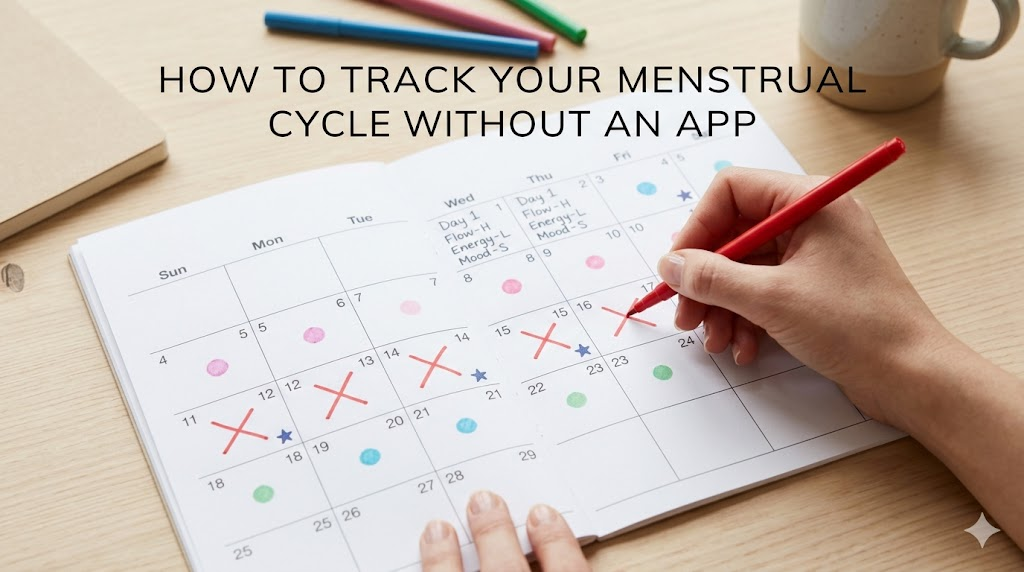
Digital privacy is a major concern today. Following the overturn of Roe v. Wade, many people worry about how companies might use the personal data stored in period-tracking apps. You do not need a smartphone to understand your body. You can easily and accurately track your menstrual cycle using an old-school paper calendar. Here is a straightforward guide to manual period tracking. The Benefits of Tracking Your Cycle Keeping a written record of your monthly cycle provides valuable insights into your overall reproductive health. How to Track Your Cycle on Paper Grab a paper calendar, a notebook, and some colorful…

It is incredibly common for menstrual cycles to vary in length from month to month, especially during the first few years of getting a period. You might have a 24-day cycle one month and a 42-day cycle the next. If your cycle is unpredictable, you are experiencing what doctors call an “irregular period.” Here is a breakdown of how menstrual cycles work, why they sometimes go off schedule, and how to know when it is time to check in with a doctor. What Exactly is a “Regular” Period? Most girls experience their first period (medically known as menarche) between the…

The primary purpose of the monthly menstrual cycle is to prepare the body for a potential pregnancy. While every person’s cycle varies in length and intensity, the underlying biological process follows the same remarkable pattern. During each cycle, an egg develops and is released from the ovaries, while the lining of the uterus builds up. If a pregnancy does not happen, the uterine lining sheds during a period, and the cycle begins all over again. Here is a clear breakdown of the four distinct phases of the menstrual cycle and what to expect during each one. 1. The Menstrual Phase…
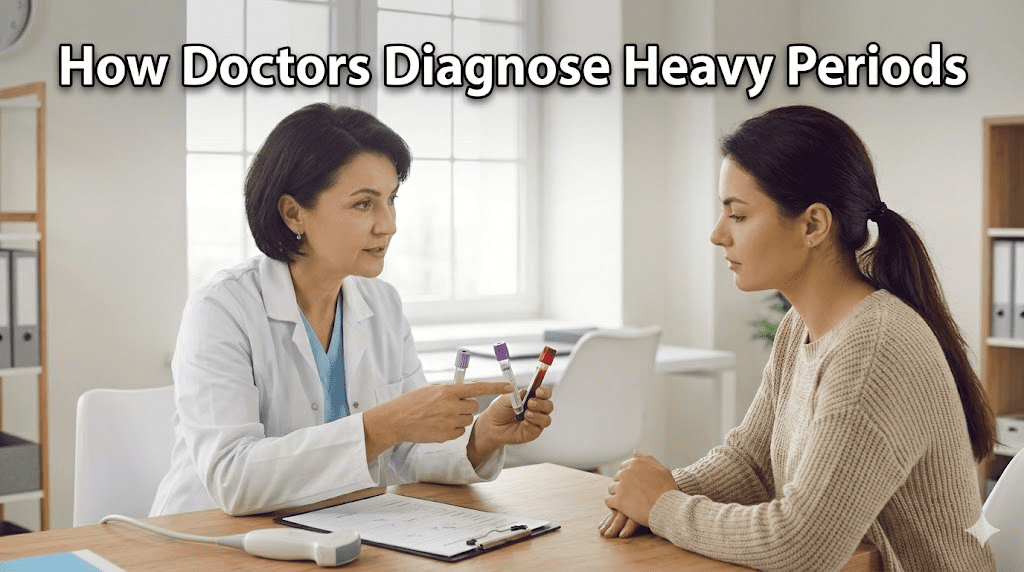
To determine the exact cause of your heavy bleeding, your doctor will start by discussing your medical history and menstrual cycles. They may ask you to keep a diary tracking your flow, including how many pads or tampons you use daily. After a physical exam, your doctor might recommend one or more of these initial tests: If these tests do not provide a clear answer, your doctor might order more detailed procedures: Medical Treatments and Prescriptions Doctors base your treatment plan on your overall health, the severity of your condition, and your future plans for having children. They typically start…

Heavy menstrual bleeding can easily disrupt your daily life. Fortunately, doctors offer many effective ways to diagnose and treat this very common condition. If you soak through a pad or tampon every hour, you should seek medical advice. Here is a clear breakdown of how doctors find the underlying cause and help you manage your flow. How Doctors Diagnose Heavy Periods To find the exact cause, your healthcare team will first ask about your medical history. They might ask you to track your flow and pad usage in a daily diary. After a physical exam, your doctor might recommend specific…
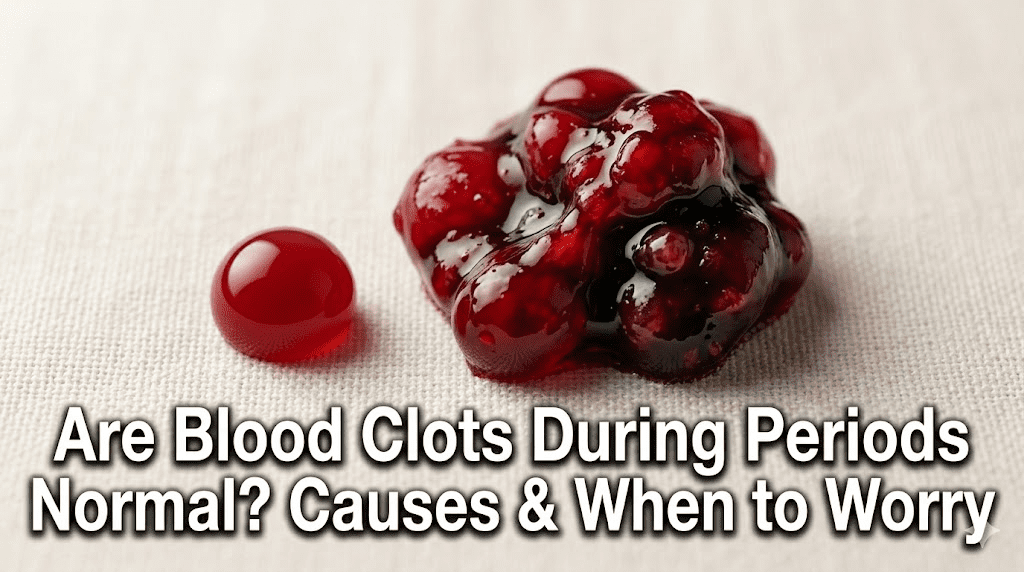
Seeing blood clots during your period can certainly be alarming. When you are already dealing with cramps and fatigue, the sudden appearance of thick, jelly-like clumps in your menstrual flow is enough to make anyone anxious. However, you can take a deep breath: passing small blood clots during your period is incredibly common and usually completely normal. Just like a scrape on your knee forms a scab to stop the bleeding, your body creates blood clots to control your menstrual flow. Let’s break down exactly what these clots are, why they happen, and the specific signs that indicate it is…
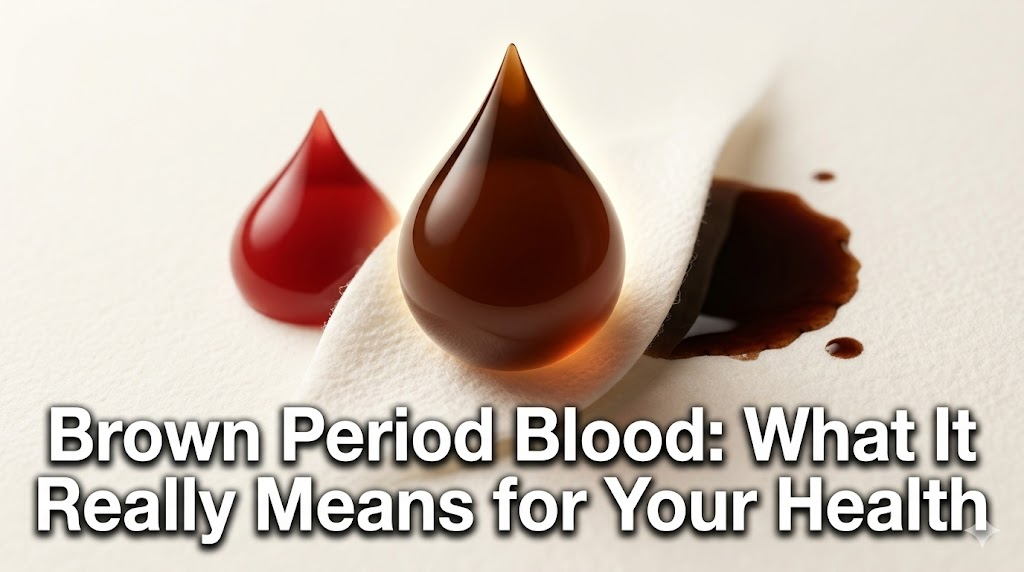
The color and consistency of your period blood can act as a window into your overall reproductive health. Let’s break down exactly what brown period blood means, why it happens, and when it might be time to check in with a doctor. Yes, brown period blood is generally perfectly normal. The brown color is primarily caused by a natural process called oxidation. When blood exits the uterus quickly (like during your heaviest flow days), it appears bright red. However, when the flow slows down, the blood takes longer to leave the body. During this extra time, the blood is exposed…

Smoothies can be an incredibly helpful addition to a PCOS-friendly way of eating. They are easy to prepare, simple to customize, and a fantastic option on days when your appetite is low, mornings feel rushed, or you just want something nourishing that doesn’t require much thought. For many women with Polycystic Ovary Syndrome (PCOS), a smoothie often feels much more achievable than a full sit-down meal, especially when energy is limited. That said, not all smoothies are created equal. When built thoughtfully, they can support blood sugar balance, reduce inflammation, and provide key nutrients for hormonal health. When thrown together…
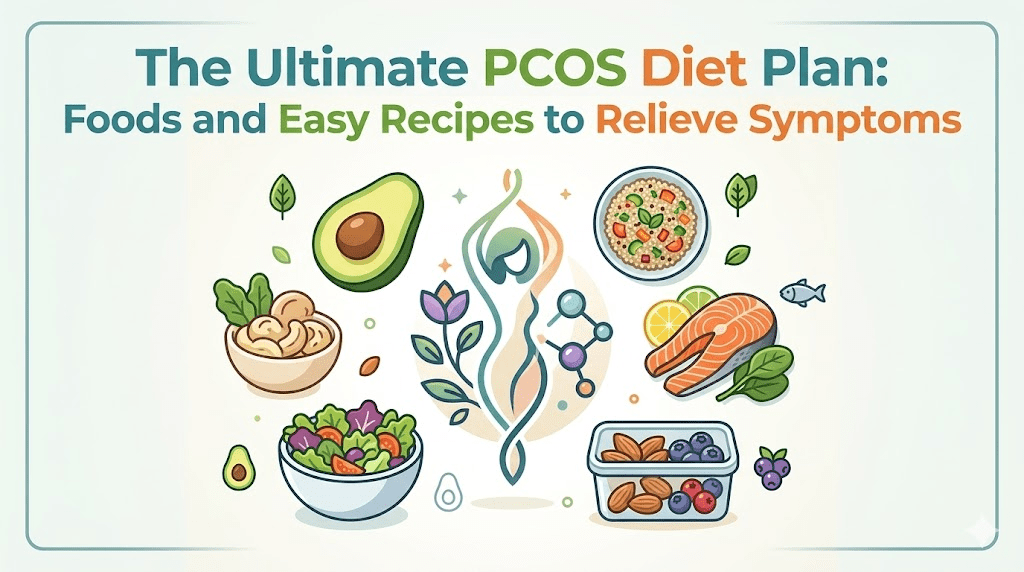
Living with Polycystic Ovarian Syndrome (PCOS) can feel overwhelming, especially when dealing with metabolic changes, irregular menstrual cycles, and concerns about fertility. Impacting between 6% and 12% of the population, it is one of the most common medical conditions women face. However, a PCOS diagnosis does not mean you are out of options. When it comes to managing your symptoms and boosting your overall fertility, adjusting your diet is one of the most effective steps you can take. Why Diet Matters for PCOS Many people with PCOS develop insulin resistance. Even if you do not have diabetes or pre-diabetes, subtle…
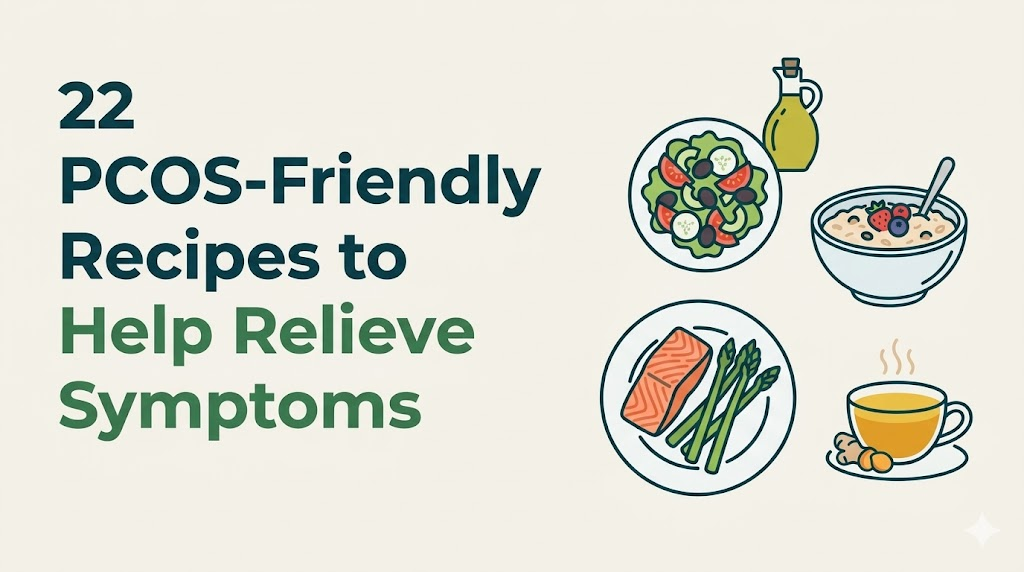
Polycystic ovarian syndrome (PCOS) can be incredibly frustrating to navigate, but you are not alone. It is a hormonal health condition that impacts 1 in 10 women of reproductive age. Characterized by imbalances in reproductive hormones (like estrogen and testosterone) and hormones that regulate blood sugar, fat storage, and appetite, PCOS can cause irregular periods, acne, weight gain, and pelvic pain. How Is PCOS Treated Medically? Before diving into diet, it is important to know the first-line medical treatments for managing PCOS symptoms: Building a PCOS-Friendly Diet Because PCOS is often linked to insulin resistance and weight gain, adjusting your…