

Author: Sonali Chandra

Sonali Chandra
Hi there! Welcome to my blog, a passion or hobby to write about something lead me to start this blog on female's most common reason and questions related to menstrual cycle. I get time after my morning coffee, to explore and write something that makes sense. So yes, I love reading , coffee, nature views and morning sunshine. Thank You for coming to my blog ❤️
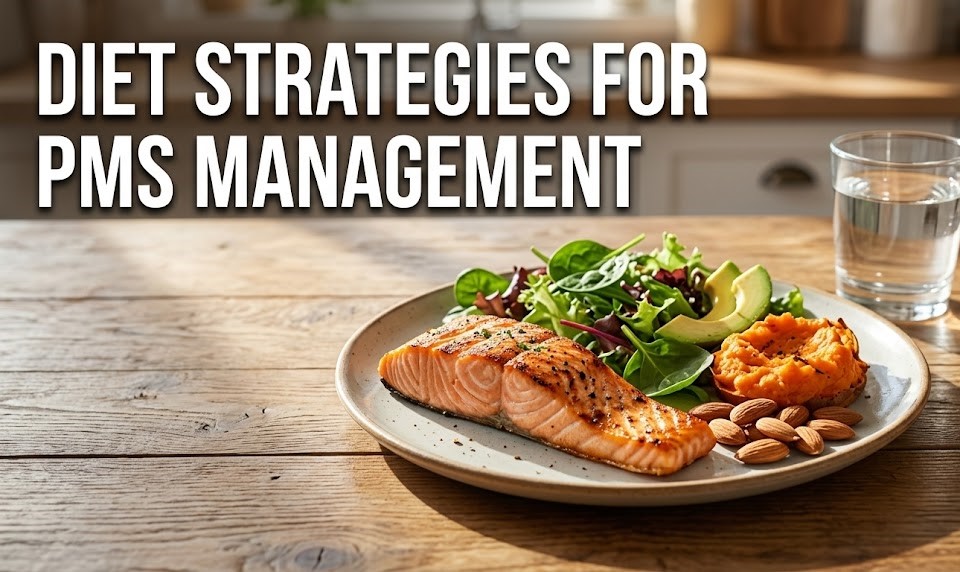
In the metabolic landscape of March 2026, we have moved beyond simply “enduring” the premenstrual phase. We now understand that Premenstrual Syndrome (PMS) is a complex interplay of hormonal fluctuations and neurotransmitter sensitivity. According to Dr. Bhavna Chaudhary of Nanavati Max Hospital, targeted dietary shifts can significantly recalibrate your body’s response to these shifts, transforming a week of “disruption” into a period of manageable transition. The PMS Resilience Formula ($R_{pms}$) Managing premenstrual symptoms effectively requires balancing nutrient density and inflammatory control against external stressors. We can model your symptom resilience using the relationship between Magnesium ($M_g$), Omega-3 intake ($\Omega_3$), and…
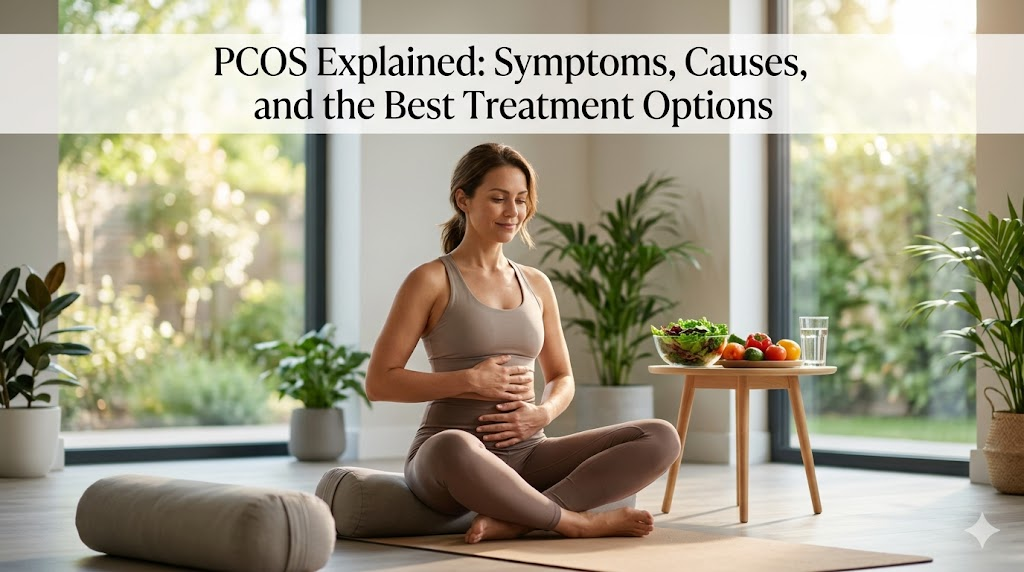
Polycystic Ovary Syndrome (PCOS) is one of the most common hormonal disorders affecting women of reproductive age. While navigating the symptoms can feel incredibly overwhelming, understanding the condition is the very first step toward finding relief. If you are dealing with unexplained weight gain, stubborn breakouts, or irregular periods, you are not alone. Here is a complete breakdown of PCOS symptoms, the underlying causes, and the best treatment options available to help you take charge of your health. What Is PCOS? Polycystic Ovary Syndrome (PCOS) is a condition where the ovaries produce higher-than-normal levels of male hormones, known as androgens.…
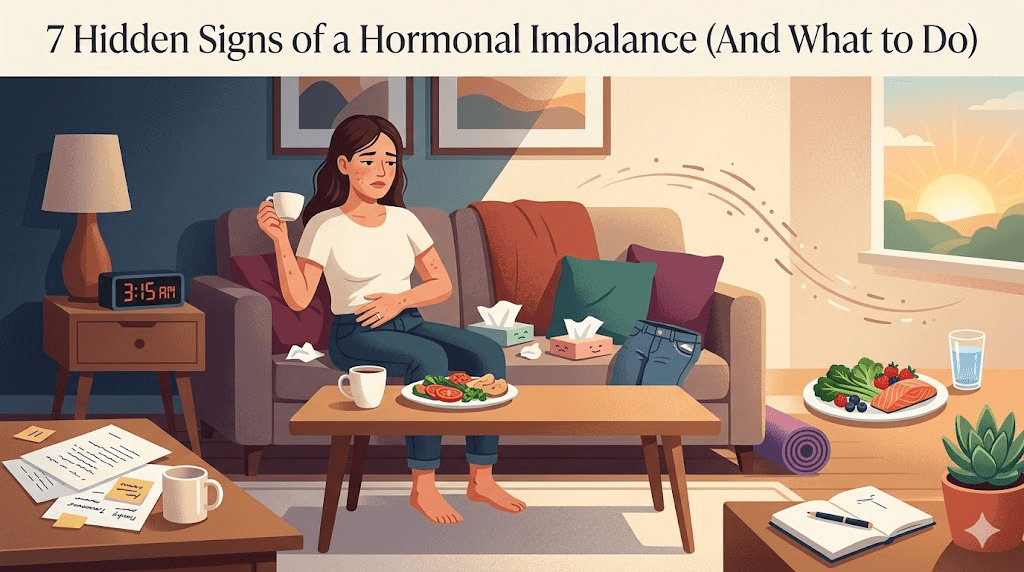
Hormones act exactly like your body’s internal orchestra. Even a slight disruption can throw your entire system off balance. For people assigned female at birth (AFAB), fluctuating hormones are completely natural. They occur routinely during puberty, pregnancy, and menopause. However, an underlying hormonal imbalance can cause unexpected and frustrating disruptions to your daily routine. Here is what you need to know about spotting the signs and finding long-term relief. What Causes Hormonal Imbalances? Various factors can easily disrupt your body’s delicate chemical messengers. First, natural life transitions naturally shift your hormonal baseline over time. Additionally, medical conditions like Polycystic Ovary…
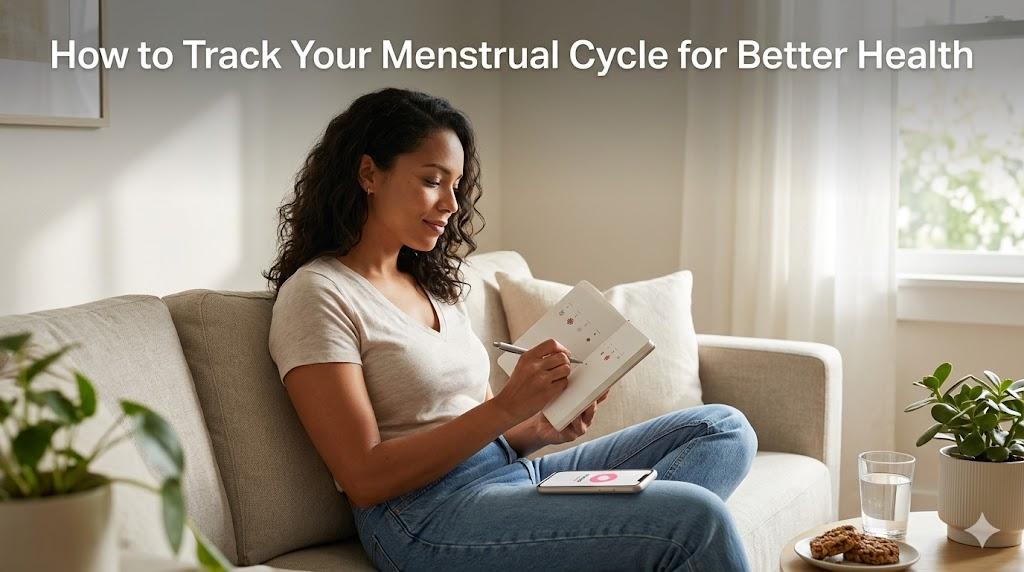
The menstrual cycle is a vital aspect of a woman’s reproductive health. Understanding its phases, tracking its changes, and recognizing irregularities can provide essential insights into your fertility, hormonal balance, and overall well-being. Let’s explore how the menstrual cycle works, its distinct phases, and why tracking it is one of the best things you can do for your body. What Is the Menstrual Cycle & Why Does It Matter? The menstrual cycle is a natural process that happens in a woman’s body every month to prepare for a possible pregnancy. The cycle starts on the first day of menstruation (your…
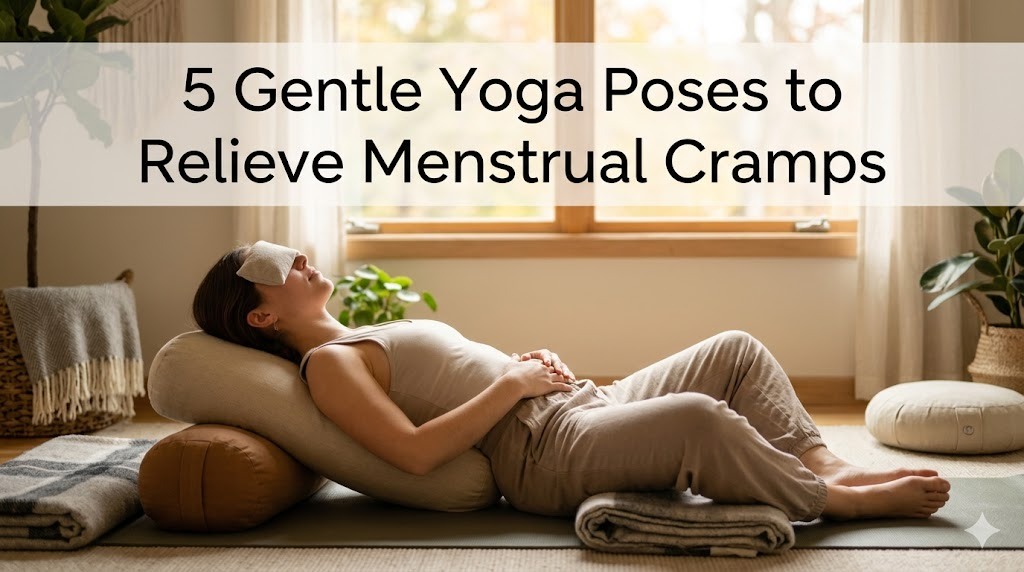
Let’s be completely honest: when painful menstrual cramps hit, doing anything physical might be the absolute last thing you want to do. Curling up with a heating pad usually sounds a lot better than getting on a yoga mat! It is completely valid to just want to rest, but if you are desperate for relief, gentle stretching can work wonders. Targeting the areas that hold the most tension—your belly, pelvis, hips, and lower back—can significantly ease your period pain. Plus, the deep breathing involved in yoga helps reduce the emotional symptoms of PMS. Whether you are a seasoned yogi or…
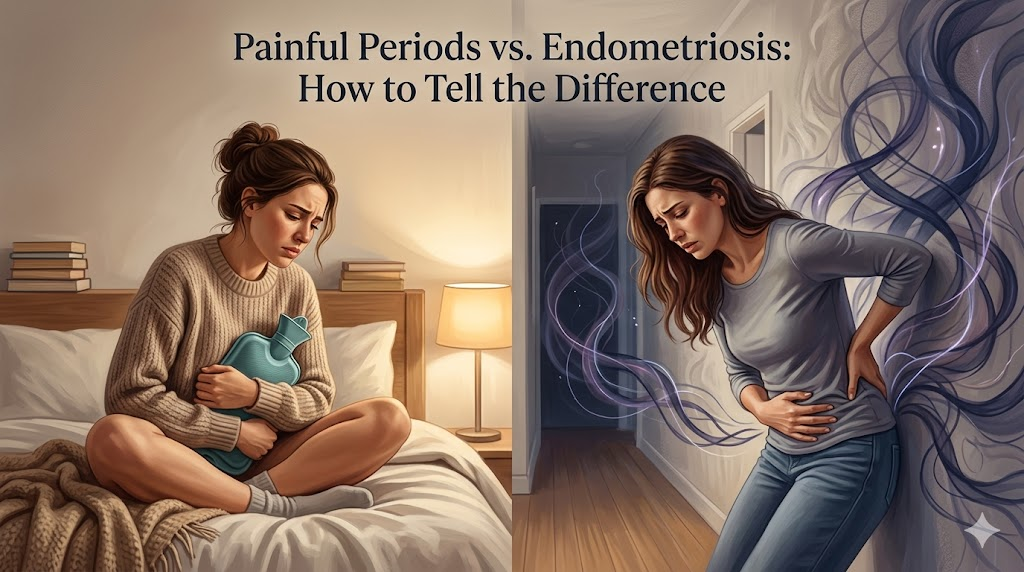
Most women have asked themselves at some point: “Is it normal to have periods this painful?” While mild discomfort is a standard part of the menstrual cycle, debilitating pain that stops you in your tracks is not. Often, what women dismiss as a “bad period” is actually a medical condition called Endometriosis. Understanding the difference between typical menstrual cramps and endometriosis is the first step toward getting the right help. Early diagnosis not only relieves pain but can also help preserve your fertility. What is “Normal” During Your Period? Menstruation is a natural part of the reproductive cycle. On average,…
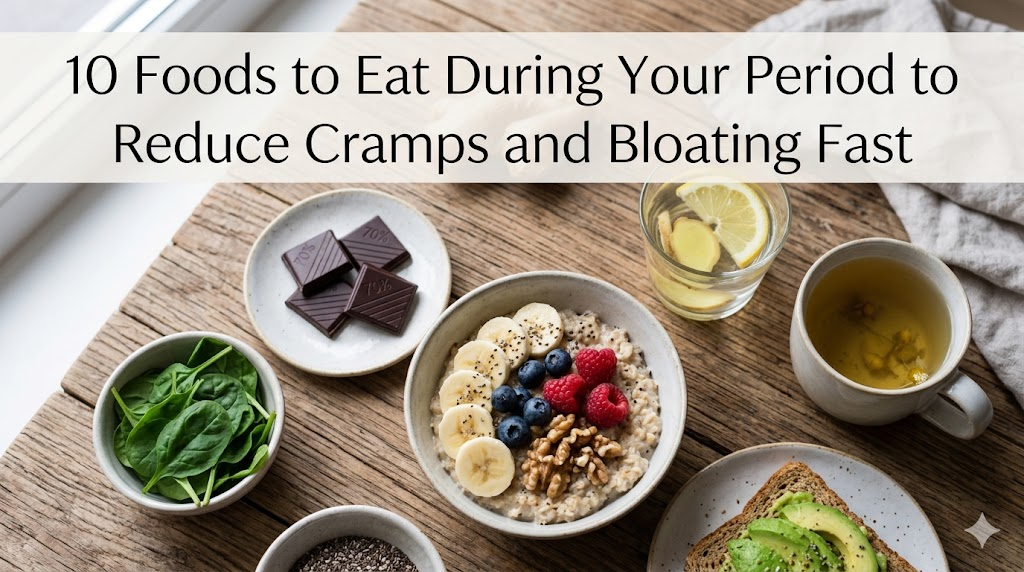
Dealing with painful period cramps can feel like an uphill battle. Between 80% and 90% of women report menstrual pain, which occurs when uterine muscles contract to shed tissue. These contractions are triggered by prostaglandins—hormone-like compounds involved in inflammation and pain. While everyone’s cycle is unique, growing evidence suggests that what you put on your plate can influence your pain levels. Here is a look at 13 foods and drinks that may help you manage period pain naturally. The Top Foods for Period Cramp Relief 1. Hydration Heroes (Water & Oranges) Staying hydrated is one of the most effective ways…
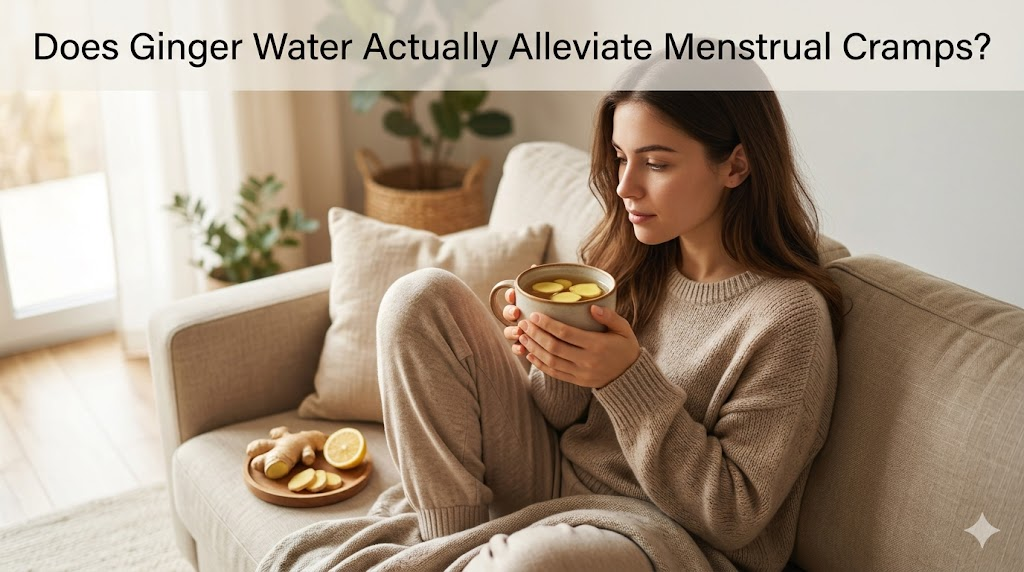
Menstrual cramps are characterized by a dull, aching pain in the lower abdomen that can cause significant discomfort and distress. While over-the-counter medications are a common go-to, many women are turning to natural dietary adjustments to find relief. Here is a look at the science behind ginger water, how to make it, and other herbal teas that can help soothe your menstrual pain. The Science Behind Ginger and Period Pain Ginger is a widely used herb famous for its warming and pain-relieving properties. Recent studies indicate that the compounds found in ginger can protect against inflammation by inhibiting the body’s…

That time of the month brings a host of annoying symptoms. From intense food cravings to severe bloating, your body goes through a lot. However, for many women, the absolute worst part is the menstrual cramps. Dr. Mae Kathleen Borchardt, an OB-GYN at Houston Methodist, explains that cramps happen when the muscles and blood vessels in your uterus contract to shed its lining. While this is a normal part of the cycle, it can cause severe pain in your lower abdomen and back. Fortunately, you do not have to just suffer through it. Here are five doctor-approved ways to get…
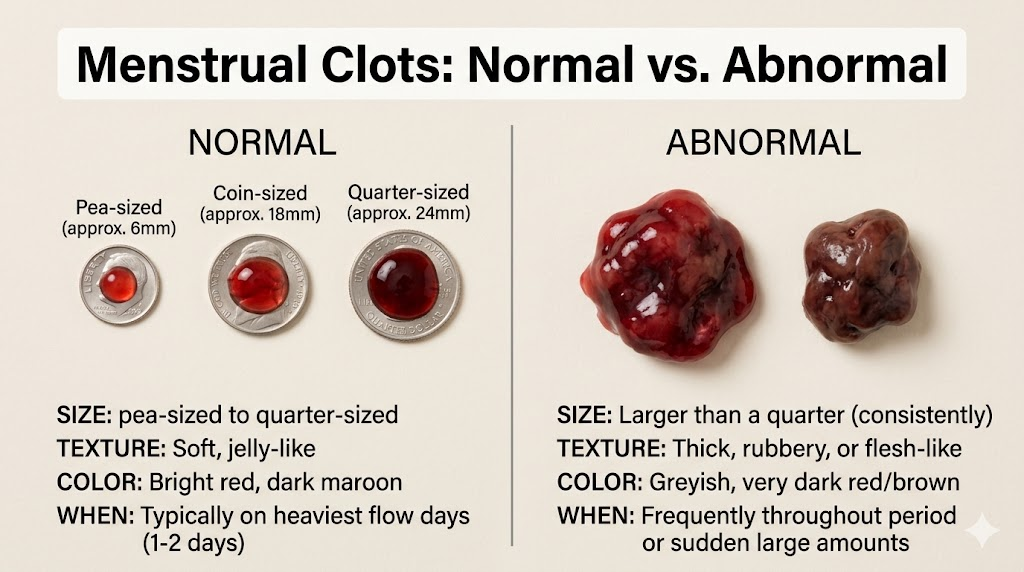
Menstrual clots are a normal part of shedding the uterine lining. The body uses natural anticoagulants to break down blood and tissue, but when the flow is heavy, it can outpace this process, resulting in clots. Here is a quick guide to distinguishing between typical and atypical clotting: Feature”Normal” ClotsAbnormal ClotsSizeSmaller than a quarterLarger than a quarterFrequencyOccasional (usually at the start of a period)Regular or frequentBleedingStandard flowHeavy (soaking a pad/tampon every 2 hours or less) Potential Underlying Causes If you are regularly experiencing large clots and heavy bleeding, it is often tied to a physical or hormonal factor. Common causes…