




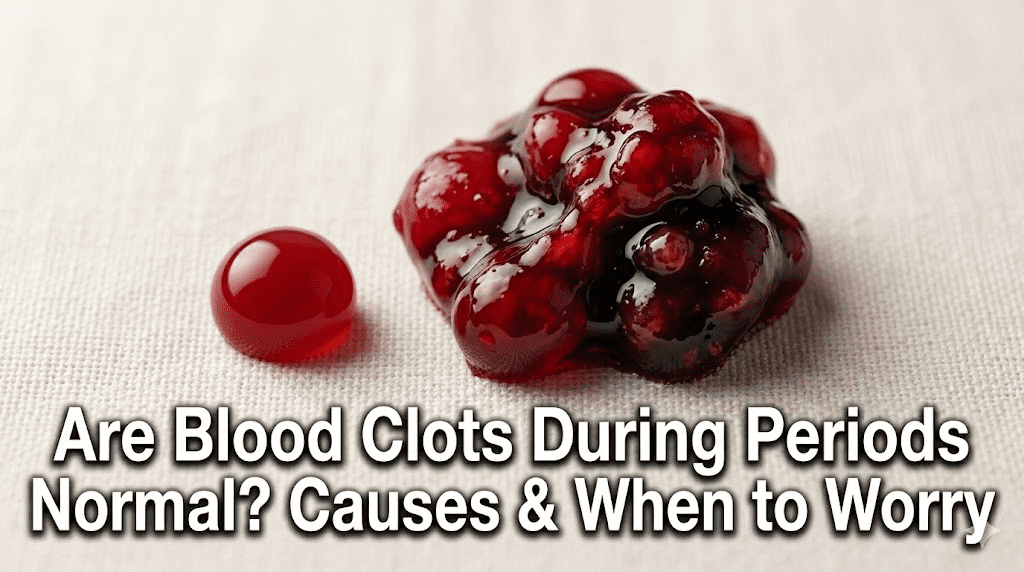
Seeing blood clots during your period can certainly be alarming. When you are already dealing with cramps and fatigue, the sudden appearance of thick, jelly-like clumps in your menstrual flow is enough to make anyone anxious.
However, you can take a deep breath: passing small blood clots during your period is incredibly common and usually completely normal. Just like a scrape on your knee forms a scab to stop the bleeding, your body creates blood clots to control your menstrual flow. Let’s break down exactly what these clots are, why they happen, and the specific signs that indicate it is time to check in with a healthcare professional.
What Are Period Blood Clots?
During your period, your body sheds the lining of your uterus (the endometrium). As this tissue detaches, small blood vessels bleed. To prevent you from losing too much blood, your body releases proteins that cause the blood to coagulate (thicken and clump together).
Usually, your body also produces natural anticoagulants (blood thinners) to break down these clots before they leave the body. However, on the heaviest days of your flow, the blood can pool in the uterus or vagina and exit the body faster than those thinners can work. The result? You see a clot.
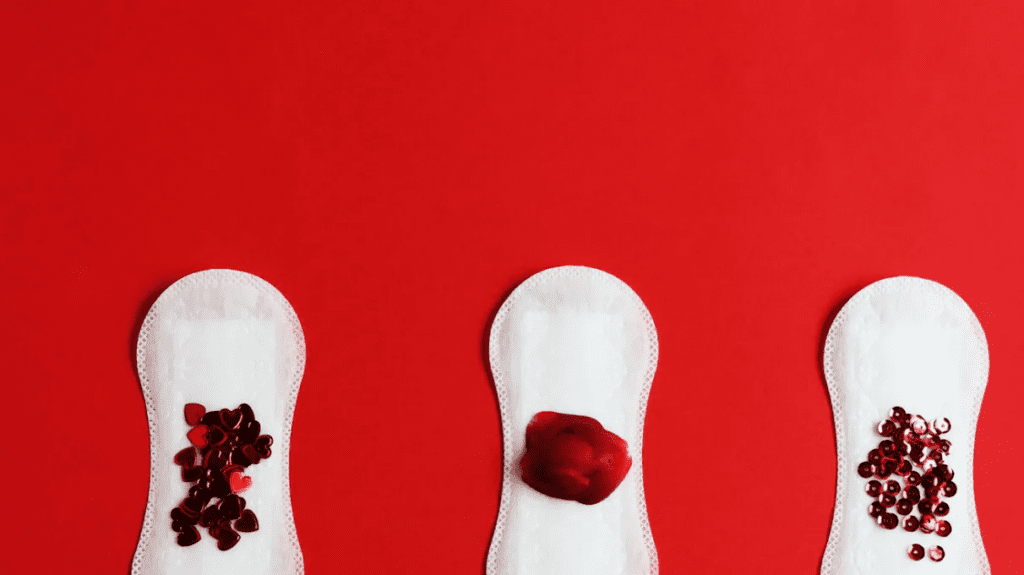
What do they look like? Period clots are typically gel-like masses. They are often bright red on your heaviest days and transition to dark red, maroon, or even brown as your flow slows down.
Normal vs. Abnormal Clots: How to Tell the Difference
For the one-third of menstruating individuals who experience heavy flows, clotting is just a standard part of the first day or two of their cycle. Here is a quick guide to help you distinguish between standard clotting and potential warning signs.
| Feature | Normal Period Clots | When to Call a Doctor |
| Size | Pea-sized up to the size of a quarter. | Consistently larger than a quarter. |
| Timing | During the first 1–2 days of your cycle. | Passing large clots multiple times a day, or late in your cycle. |
| Flow Volume | Manageable with standard pads or tampons. | Soaking through a pad/tampon every hour for several hours. |
| Pain Level | Mild to moderate cramps. | Severe, debilitating pelvic pain. |
Common Causes of Period Blood Clots
If you frequently pass large clots, it is usually a sign of an underlying factor that is increasing your bleeding or interfering with your uterus’s ability to contract effectively.
- Uterine Fibroids: These are non-cancerous muscular tumors that grow in or on the wall of the uterus. They are incredibly common and can cause heavier bleeding and significant clotting. Learn more about Uterine Fibroids.
- Endometriosis: A condition where tissue similar to the lining of the uterus grows outside of it. This can lead to heavy periods, large clots, and severe pelvic pain. Read about the signs of Endometriosis.
- Adenomyosis: Similar to endometriosis, but the tissue grows into the muscular wall of the uterus, making it thicker and causing heavy, clot-filled periods.
- Hormonal Imbalances: Conditions like Polycystic Ovary Syndrome (PCOS) or thyroid disorders (both hyperthyroidism and hypothyroidism) can disrupt the delicate balance of estrogen and progesterone, leading to a thickened uterine lining and heavier shedding.
- Birth Control Changes: Non-hormonal IUDs (like the copper coil) are known to cause heavier periods and increased clotting for some people. Conversely, starting or stopping hormonal birth control can temporarily alter your flow.
- Bleeding Disorders: While less common, conditions like Von Willebrand disease affect the blood’s ability to clot properly, resulting in unusually heavy menstrual bleeding (menorrhagia).
When to Seek Medical Advice
While small clots are nothing to worry about, you should never suffer through debilitating periods under the assumption that it is “just a normal part of being a woman.”
Seek an evaluation from a gynecologist if you experience:
- Clots larger than a quarter.
- The need to double up on pads to prevent leakage, or waking up frequently at night to change products.
- Periods that consistently last longer than seven days.
- Spotting or passing clots between your periods.
- Symptoms of iron-deficiency anemia (e.g., extreme fatigue, weakness, pale skin, shortness of breath, or dizziness).
- Note: If you are pregnant and experience clotting, seek emergency medical care immediately, as this could indicate a miscarriage or ectopic pregnancy.
How Are Heavy Clots Treated?
If your clotting is linked to an underlying condition, your doctor has several tools to help manage your flow:
- Hormonal Therapy: Birth control pills, patches, or hormonal IUDs can regulate your cycle and thin the uterine lining, drastically reducing flow and clots.
- Medications: NSAIDs (like Ibuprofen) can actually help reduce bleeding if taken a few days before your period. Doctors may also prescribe Tranexamic acid, a medication specifically designed to help blood clot properly and reduce heavy flow.
- Surgery: For severe cases involving fibroids or polyps, surgical removal can offer permanent relief.
The Bottom Line
Period blood clots are a natural, built-in defense mechanism to keep you from losing too much blood. Keep an eye on the size and frequency of the clots, and stay hydrated and nourished with iron-rich foods (like spinach and lentils) to keep your energy up during your cycle.
Also Read : 6 Delicious PCOS-Friendly Smoothie Recipes for Hormonal Balance