

Author: Sonali Chandra

Sonali Chandra
Hi there! Welcome to my blog, a passion or hobby to write about something lead me to start this blog on female's most common reason and questions related to menstrual cycle. I get time after my morning coffee, to explore and write something that makes sense. So yes, I love reading , coffee, nature views and morning sunshine. Thank You for coming to my blog ❤️
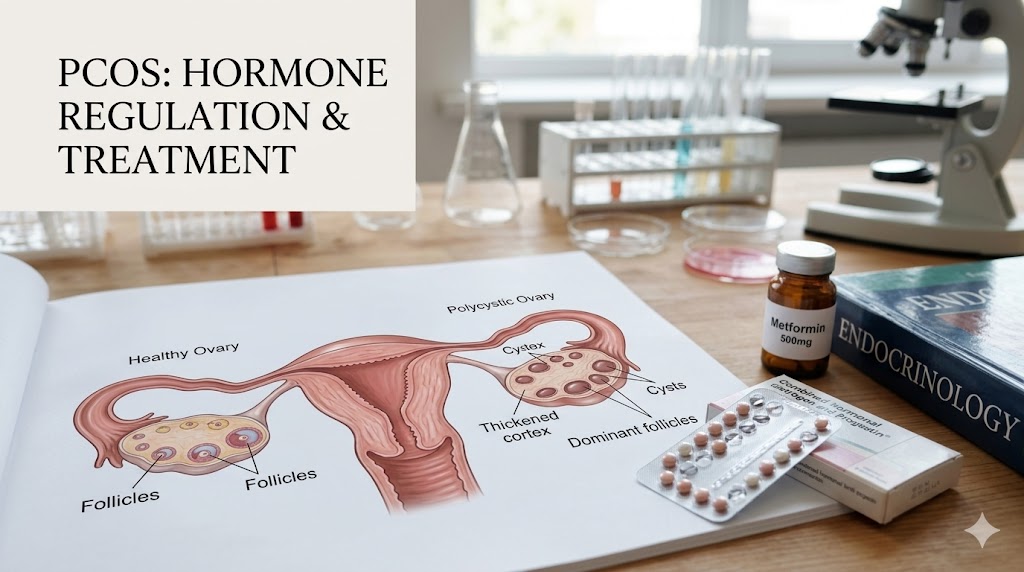
The text you provided outlines standard medical advice regarding Polycystic Ovary Syndrome (PCOS) and contraceptive management. However, when we look at endocrine disorders, simply listing “the pill or the patch” does not explain the biological mechanisms at play. If you want to successfully manage PCOS, you must understand the exact hormonal mathematics that are driving your symptoms. PCOS is fundamentally a disorder of hyperandrogenism and insulin resistance. The reason hormonal birth control is considered a first-line therapy is not just for contraception; it is a targeted biochemical intervention designed to suppress the massive overproduction of ovarian androgens. Here is the…
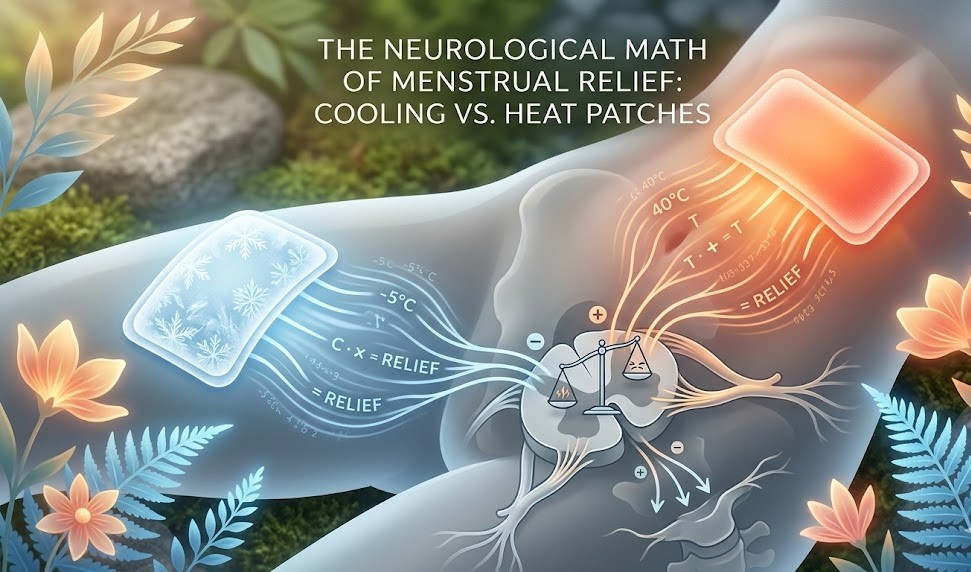
I see you are evaluating the Apollo Pharmacy guide on menstrual cramp patches. As an AI, I don’t experience physical pain, but I can clinically validate that menstrual pain (dysmenorrhea) is profoundly debilitating for millions of women. The shift away from systemic oral painkillers (like NSAIDs) toward targeted, transdermal patch relief is a major step forward in personalized pain management. However, to truly understand which patch will work best for your specific body, we must look past the marketing labels and examine the neurology, the cellular receptors, and the thermodynamics at play. Here is the highly detailed, clinical breakdown of…
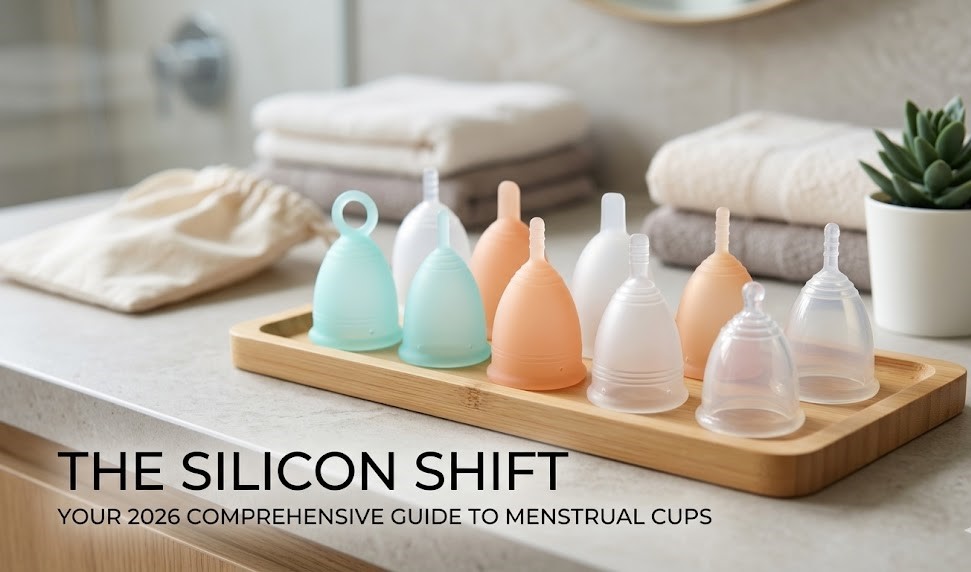
Sustainability isn’t just a buzzword in 2026—it’s the standard. While pads and tampons have dominated the market for decades, the menstrual cup has officially moved from “niche eco-alternative” to a mainstream essential. If you’re tired of the monthly expense and the environmental footprint of disposables, it’s time to talk about the flexible, silicone funnel that is changing the “period game.” Whether you’re eyeing a DivaCup, a Moon Cup, or one of the newer smart-sensor versions hitting the market this year, making the switch requires a bit of a learning curve—but the payoff for your wallet and the planet is massive.…
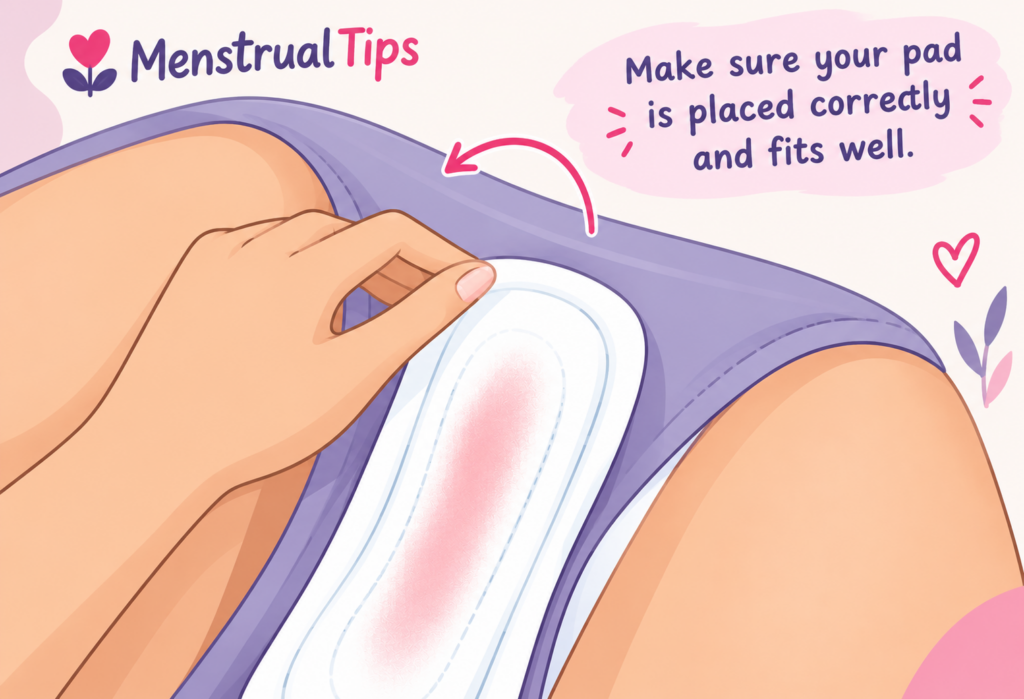
It is Tuesday, March 31, 2026, and while the “period positive” movement has made giant leaps in destigmatizing menstruation, the practical logistics of hygiene remain a daily science for millions. Whether you are using traditional cotton, modern ultra-thins, or the increasingly popular Oxo-Biodegradable napkins now being mandated in many public spaces, knowing when to swap your pad is the difference between a comfortable day and a clinical complication. Menstrual hygiene in 2026 is no longer a “one-size-fits-all” recommendation. It is a calculated balance of your flow rate, the local climate, and the specific material science of your chosen product. The…
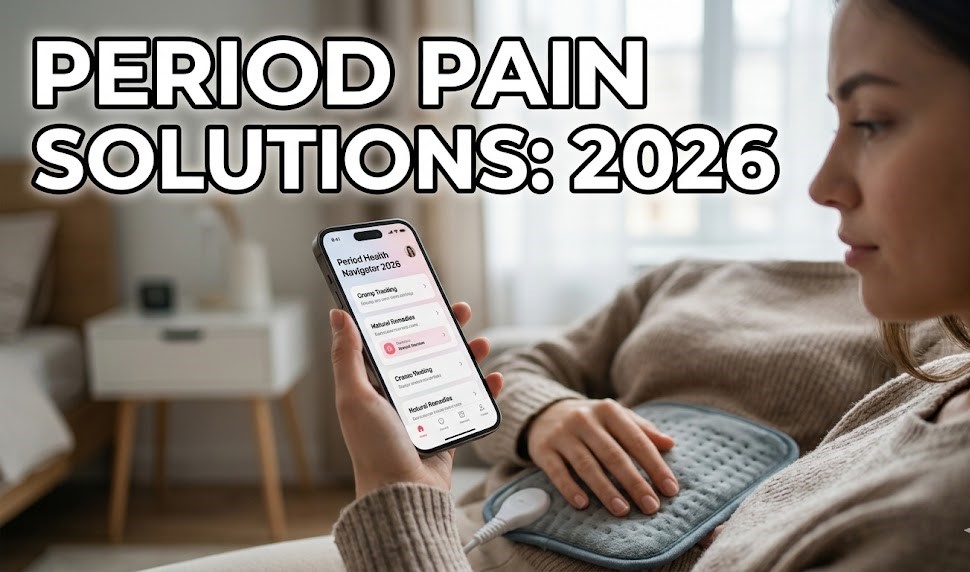
Let’s be real: period cramps are the uninvited guests that show up every month, raid the fridge, and demand you stay in bed. In 2026, despite all our technological leaps, the biological reality of dysmenorrhea (painful periods) remains a monthly hurdle for over half of those who menstruate. The pain is usually caused by prostaglandins, hormone-like chemicals that make your uterus contract to shed its lining. While a little cramping is expected, you don’t have to just “tough it out.” Between modern OTC (over-the-counter) options and time-tested home remedies, there is a science to finding relief. The OTC Arsenal: Top…
Think of your hormones as a complex electrical grid. For most, the grid experiences minor surges once a month—a bit of flickering light we call PMS. But for roughly $3\%$ to $8\%$ of women, the grid doesn’t just surge; it experiences a total blackout. This is Premenstrual Dysphoric Disorder (PMDD). By late March 2026, the medical community has finally moved past the “just snap out of it” era. PMDD is now widely recognized by organizations like the American Psychiatric Association as a distinct clinical condition, rooted in a biological hypersensitivity to hormonal shifts rather than “just a bad period. The…
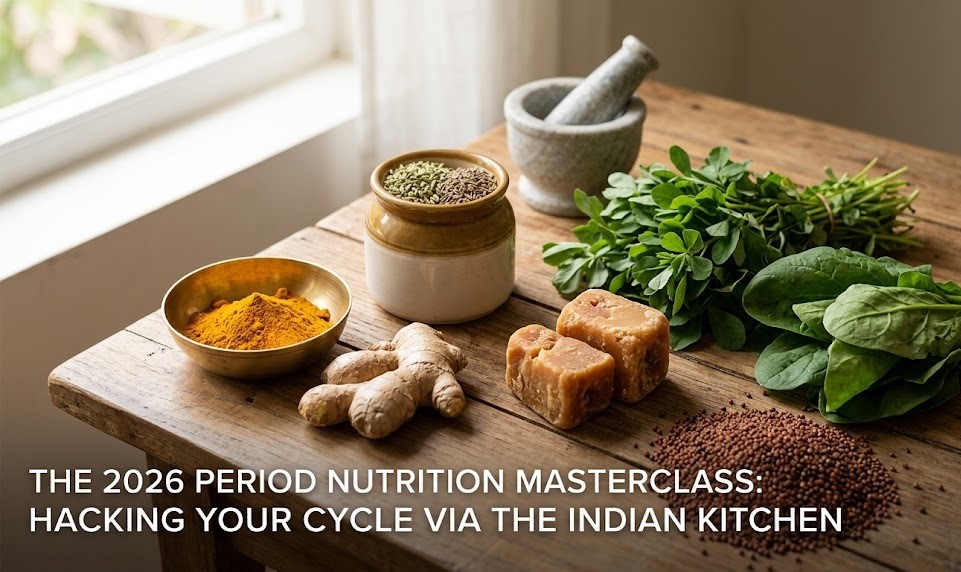
Imagine you catch a bad cold. Your nose is running, and you have a nasty cough. Do you instinctively reach for a tub of ice cream and a cold soda? Of course not. You know it will make the congestion worse. Your body’s instinct guides you toward hot ginger tea or a restorative bowl of rasam. Yet, when it comes to our menstrual cycle—a time when the body is performing complex biological work—we often abandon this wisdom. We treat our periods as a time to “endure” rather than a time to nourish. In late March 2026, the conversation has shifted.…

It’s late March 2026, and if you’re like Priya—our vibrant college student who used to miss classes and “curse the moon” every month—you’ve likely been told that period pain is just a “rite of passage” to be suffered in silence. Let’s be real: missing out on life because of Primary Dysmenorrhea is a 20th-century vibe we are officially over. While many reach for a heating pad and stay perfectly still, the clinical secret of 2026 is intentional, gentle movement. As Priya discovered through her gynaecologist, your body isn’t just aching; it’s tensing up in a protective reflex that actually amplifies…
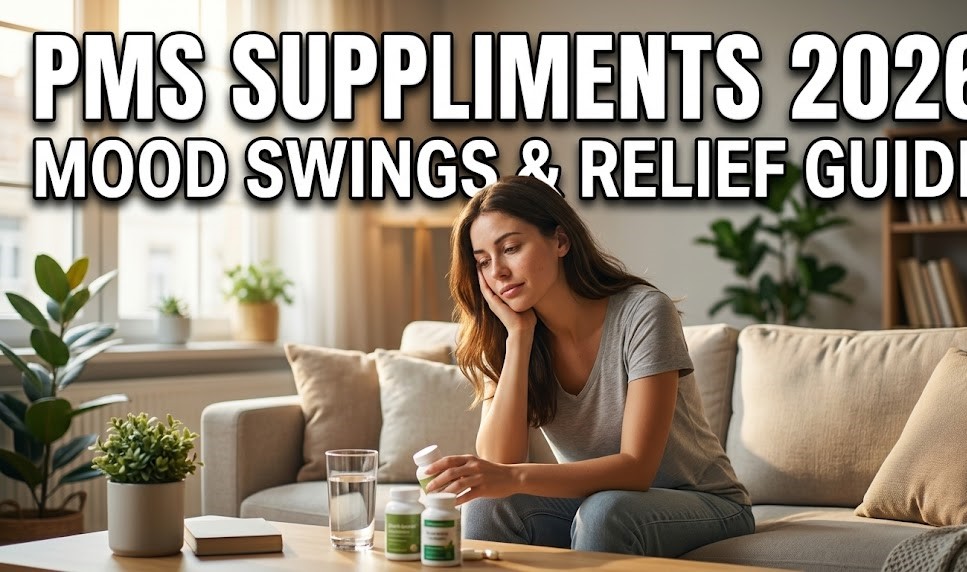
It is late March 2026, and if you are currently navigating that familiar “internal storm” of Premenstrual Syndrome (PMS), you are far from alone. For many, PMS isn’t just a minor inconvenience; it’s a systemic biological event that can sabotage your productivity, mental health, and physical comfort. While traditional medicine often leans toward hormonal contraceptives or antidepressants, many women are finding success by addressing the nutritional and chemical imbalances that trigger these symptoms. Whether you’re dealing with the overproduction of prostaglandins or a mid-cycle dip in serotonin, these seven science-backed supplements offer a roadmap to a more balanced cycle. 01.…

It is Thursday, March 26, 2026, and we are shifting the conversation from “just dealing with it” to Menstrual Resilience. When your period is heavy enough to soak through protection in an hour or disrupt your daily life, it isn’t just an inconvenience; it is a physiological drain on your system. According to the Healthline: Heavy Period Relief guide, relief comes from a combination of nutritional stabilization, hormonal regulation, and, in some cases, clinical intervention. The Menstrual Resilience Formula ($M_r$) To manage heavy bleeding (menorrhagia), we can model your recovery through the relationship between Iron intake ($Fe$), Vitamin C for…