


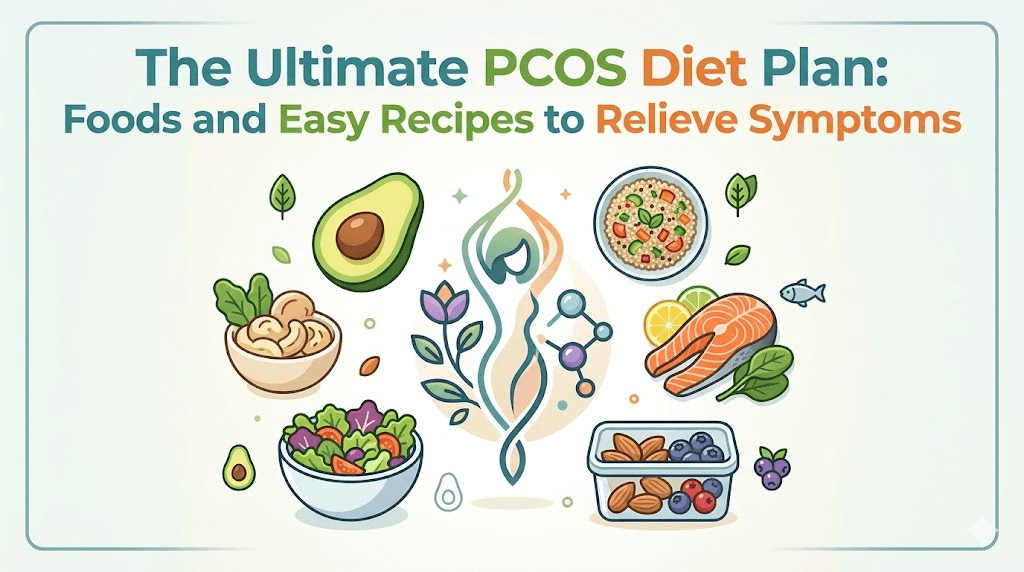
Living with Polycystic Ovarian Syndrome (PCOS) can feel overwhelming, especially when dealing with metabolic changes, irregular menstrual cycles, and concerns about fertility. Impacting between 6% and 12% of the population, it is one of the most common medical conditions women face.
However, a PCOS diagnosis does not mean you are out of options. When it comes to managing your symptoms and boosting your overall fertility, adjusting your diet is one of the most effective steps you can take.
Why Diet Matters for PCOS
Many people with PCOS develop insulin resistance. Even if you do not have diabetes or pre-diabetes, subtle disruptions in how your body produces and uses insulin can magnify your symptoms and directly impact your fertility. Eating the right foods can help stabilize your blood sugar, balance your hormones, and reduce inflammation.
The PCOS Diet: What to Eat and What to Avoid
To manage your symptoms effectively, your daily meals should focus on nutrient density and blood sugar stabilization. Here is a simple breakdown of what to include in your diet and what to leave on the grocery store shelf.
| Focus On (Eat More) | Limit or Avoid (Eat Less) |
| Fresh, Whole Foods: Ensures your body gets essential, unprocessed nutrients. | Processed Carbohydrates: White bread, pastries, and highly refined grains. |
| Healthy Proteins: Fish, poultry, beans, nuts, and seeds. | High-Sugar Foods: Items containing agave, corn syrup, fructose, or sucrose. |
| Fiber-Rich Foods: Helps naturally lower and stabilize blood glucose levels. | Sugary Drinks: Soda, sweetened teas, and fruit juices. |
| Healthy Fats: Avocados, extra virgin olive oil, and nut butters help combat inflammation. | Alcohol: Can disrupt blood sugar and hormone processing in the liver. |
| Iron-Rich Foods: Spinach, eggs, and broccoli help restore iron levels if you experience heavy periods. | Artificial Sweeteners: Can sometimes trigger insulin responses. |
Pro Tip: Try eating smaller, more frequent meals throughout the day. This simple habit prevents severe spikes and crashes in your blood sugar levels, helping to keep your energy and hormones stable.
11 Easy PCOS-Friendly Recipes for Everyday Energy
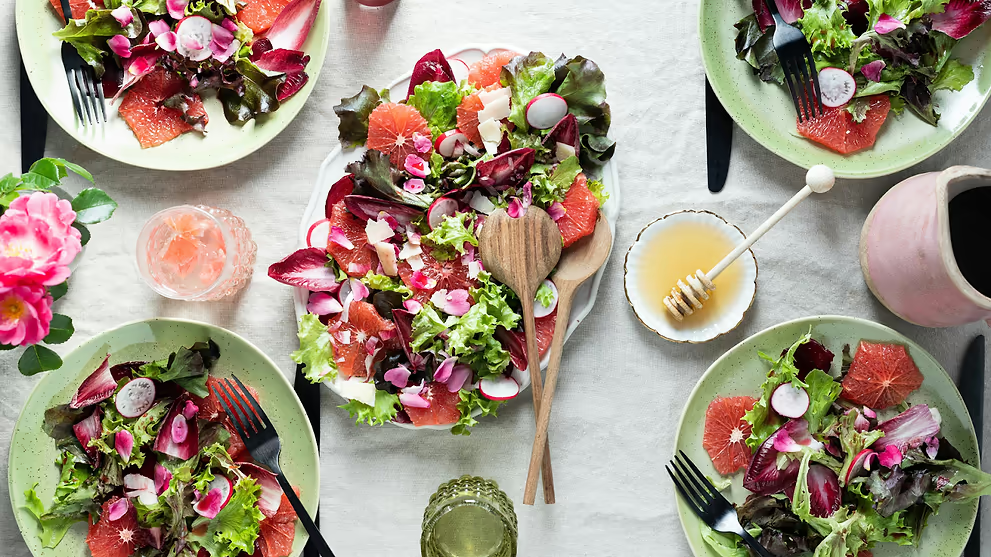
Finding the right balance in your diet does not mean sacrificing flavor. Here are some delicious, hormone-balancing meal ideas to help you manage your symptoms:
- One-Pan Salmon with Asparagus and Tomatoes: Salmon is packed with Omega-3 fatty acids, which are excellent for balancing hormones.
- Marmalade Chicken with Sauteed Spinach and Wild Rice: A great mix of lean protein, iron, and complex carbs.
- Butternut and Lentil Soup: A highly comforting, fiber-rich meal.
- Shrimp with Cauliflower Fried Rice: A fantastic low-carb alternative to traditional takeout.
- California Cobb Salad: Loaded with healthy fats from avocados and eggs.
- Sweet Potato Chips with Avocado Dip: A crunchy, nutrient-dense snack alternative.
- Baked Cod with Lemon and Garlic: A light, high-protein dinner option.
- Avocado and Brown Rice Salmon Sushi with Miso Soup: Perfect for satisfying a sushi craving without the refined white rice.
- Spaghetti Squash with Turkey Meatballs: A low-glycemic twist on classic pasta night.
- Low-Carb Shepherd’s Pie: Hearty, filling, and blood-sugar friendly.
- Pressure Cooker Citrus Pulled Pork Tacos: Use corn or almond flour tortillas for a satisfying, low-inflammatory meal.
Seeking Extra Support
Diet is a foundational step, but you do not have to manage PCOS alone. If you are struggling with PCOS-related infertility or need advanced symptom management, reaching out to medical specialists, such as the team at Fertility Centers of New England, can help you explore further treatment options.
Also Read : Common Menstrual Hygiene Mistakes to Avoid During Your Period