




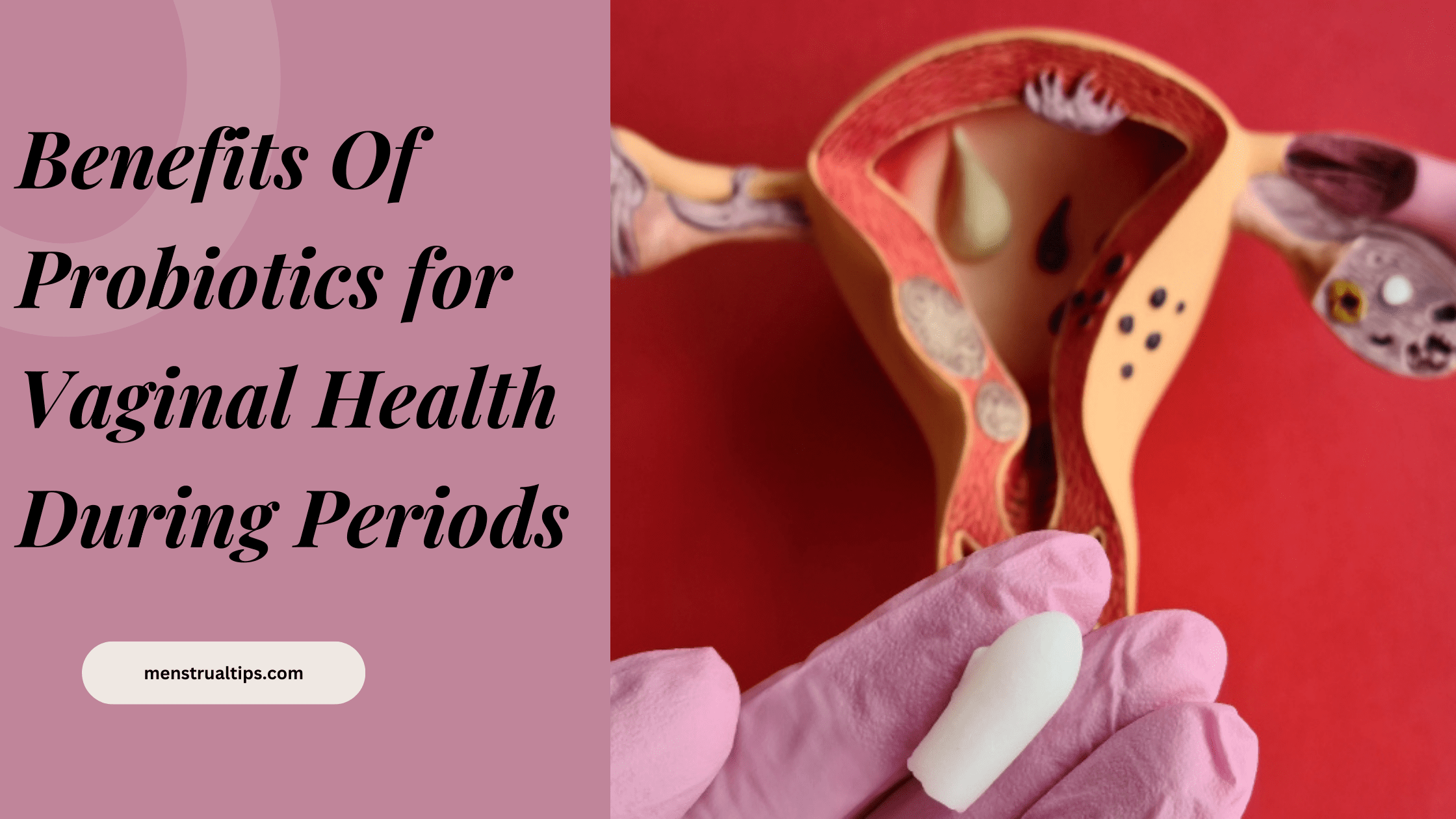
It’s confusing for most people with that resembles to gut health, digestion and sometime immunity. But on the other hand, probiotic isn’t just for gut health, they can play an important role in maintaining vaginal health as well.
Although we’re in far more away from old generation but we still lack in open conversation about vaginal health. For most of the women, talking about vaginal health sounds like awkward but if you think about its importance to open talk, the boundary will be clearer.
The Vaginal Microbiome: Your Body’s Quiet Protector
Your vagina isn’t meant to be sterile. It has its own natural ecosystem made up of bacteria and that’s a good thing.
The most important players in this ecosystem are bacteria called Lactobacilli. These “good” bacteria help maintain a slightly acidic environment, which prevents harmful bacteria and yeast from overgrowing. Think of them as quiet protectors working in the background.
When the balance is healthy, you usually don’t notice anything. No irritation. No unusual discharge. No strong odors. Everything just feels normal.
But when that balance gets disrupted, symptoms can start showing up.
What Can Throw Off Vaginal Balance?

ALSO READ: Foods to Eat and Avoid During Your Period
A number of everyday things can affect your vaginal microbiome. Antibiotics, for example, don’t just kill harmful bacteria they can also wipe out beneficial ones. Hormonal changes during pregnancy, menopause, or even certain phases of your cycle can shift the balance too.
Other common disruptors include excessive douching, scented hygiene products, uncontrolled diabetes, high stress levels, and even unprotected sex. None of these automatically cause problems, but they can create conditions where harmful bacteria or yeast grow more easily.
When the balance shifts, you might notice itching, unusual discharge, a strong odor, or discomfort.
So Where Do Probiotics Fit In?
Probiotics are live microorganisms that can help replenish beneficial bacteria in the body. When it comes to vaginal health, the idea is simple: restore the dominance of Lactobacilli so the natural acidic environment can stabilize again.
Some women turn to probiotic supplements after a course of antibiotics or recurrent infections. Others use them as part of long-term vaginal health support.
The key thing to understand is this probiotics aren’t magic cures. They support balance. And balance takes time.
Oral vs Vaginal Probiotics: Does It Matter?
There are two main ways probiotics are marketed for vaginal health: oral supplements and vaginal suppositories.
Oral probiotics travel through the digestive system, and some strains may eventually influence the vaginal microbiome indirectly. Vaginal probiotic products, on the other hand, are applied directly.
Research suggests that certain strains particularly Lactobacillus rhamnosus and Lactobacillus reuteri may be helpful in maintaining balance. But effectiveness can vary from person to person. Not every probiotic on the shelf is formulated specifically for vaginal support, so reading labels carefully matters.
Can Probiotics Prevent Infections?
There’s growing evidence that probiotics may help reduce the recurrence of bacterial vaginosis (BV) and yeast infections, especially when used alongside medical treatment. They may also support recovery after antibiotics.
However, probiotics are not replacements for medical care. If you have persistent symptoms, severe discomfort, or recurring infections, seeing a healthcare professional is important.
Probiotics can be part of the conversation not the entire solution.
Lifestyle Still Matters More Than Supplements
It’s tempting to think one capsule can solve everything. But vaginal health is influenced by daily habits.
Avoiding harsh or scented hygiene products, wearing breathable cotton underwear, managing blood sugar levels, staying hydrated, and practicing safe sex all play bigger roles than most people realize.
Probiotics can support balance, but lifestyle helps maintain it.
Are Probiotics Safe for Everyone?
For most healthy individuals, probiotics are generally considered safe. Mild digestive discomfort may occur when starting oral supplements, but serious side effects are rare.
Still, if you’re pregnant, immunocompromised, or dealing with chronic infections, it’s wise to consult a healthcare provider before starting any supplement even something labeled “natural.”
Natural doesn’t always mean universally suitable.
When to Seek Medical Advice
If you’re experiencing strong odor, unusual discharge, persistent itching, burning, or pelvic pain, don’t self-diagnose based on internet advice. Vaginal symptoms can overlap between conditions like BV, yeast infections, and sexually transmitted infections. A proper diagnosis ensures you’re treating the right issue.
Your vaginal microbiome is a delicate but powerful system designed to protect you. Probiotics can play a supportive role in maintaining that balance, particularly after disruptions like antibiotics or infections. But they’re not miracle workers — and they work best alongside mindful daily habits. The goal isn’t perfection. It’s stability. And understanding your body a little better is always a good place to start.