





Skipped period can be frustrating and make you feel unhappy. Irregular periods are connected to your overall health, but you are not the only one. This happens because of hormonal imbalance and things get trouble like your sleep, lifestyle, diet, stress and your body. But if you’ve ever thought whether this is normal and how to get your menstrual cycle back, so for that you have keep tracking your period with calendar or period tracking app.
Here are some natural ways that will help your body to menstruate on regular without delay.
What Counts as an Irregular Period?
A typical menstrual cycle lasts anywhere between 21 and 35 days. Periods are considered irregular if they:
- Come too frequently or too far apart
- Skip months at a time
- Change suddenly in flow or duration
- Stop completely without pregnancy
Occasional changes are common. Ongoing irregularity, however, is worth paying attention to.
Common Reasons Periods Go Off Track
Your cycle is sensitive to changes sometimes more than we realize. Some common causes include:
- Chronic stress
- Sudden weight loss or weight gain
- Intense exercise
- Poor sleep habits
- Hormonal conditions like PCOS or thyroid issues
- Starting or stopping hormonal birth control
Understanding why your cycle is irregular helps you choose the right approach to regulate it.
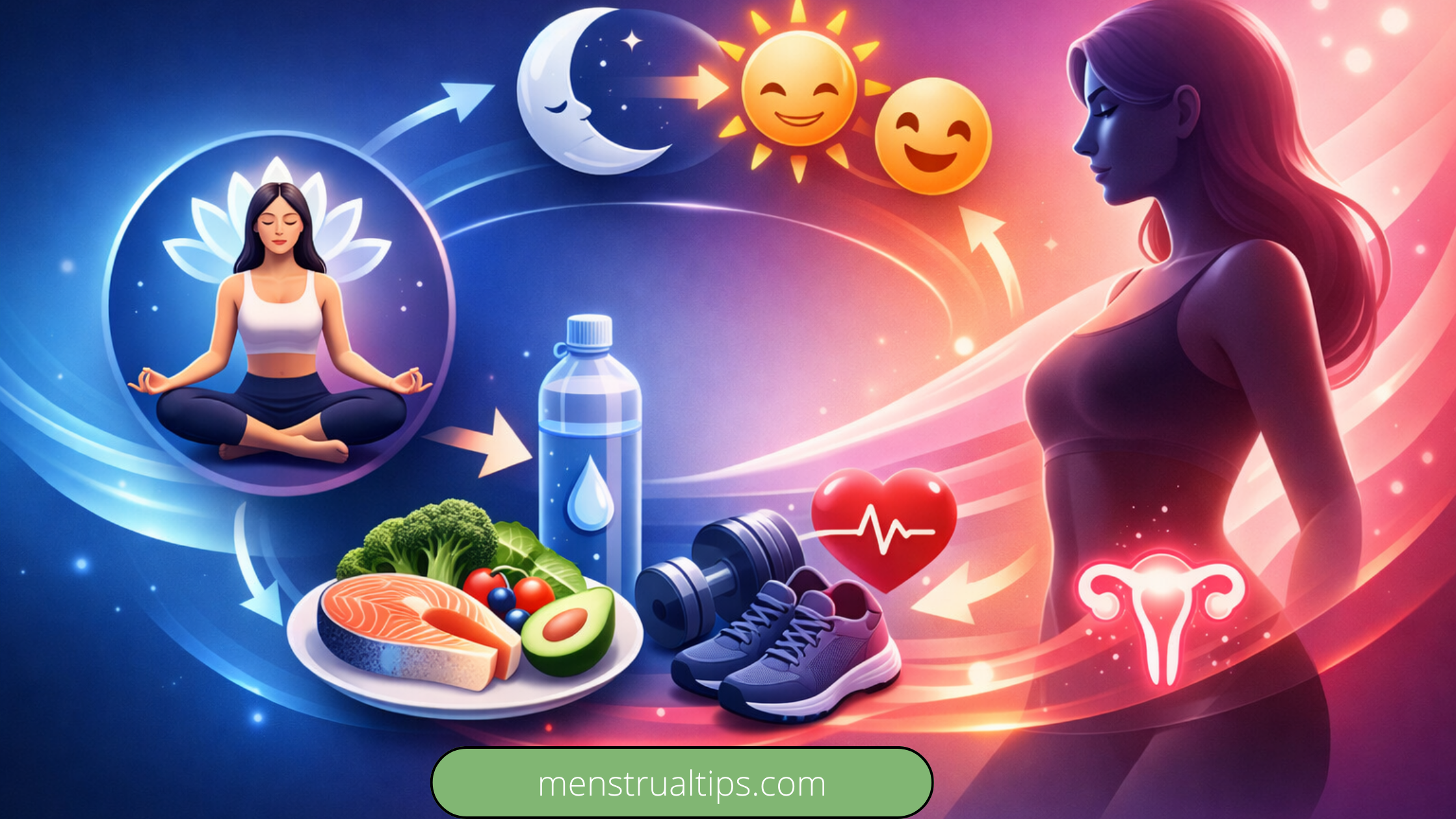
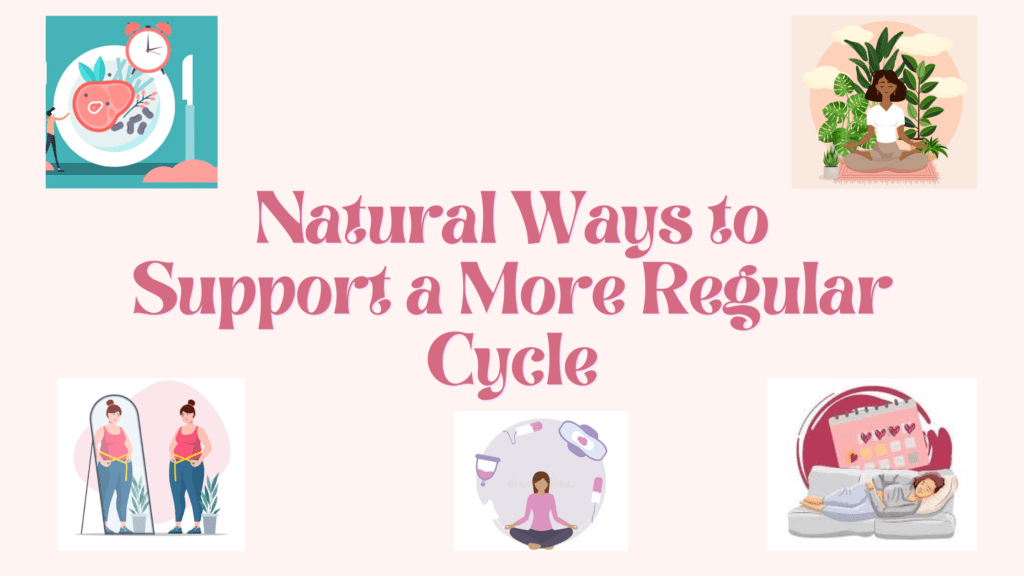
Natural Ways to Support a More Regular Cycle
ALSO READ: Menstrual Cramp Home Remedies to Manage Pain
1. Eat Enough and Eat Well
Undereating or extreme dieting can signal your body to conserve energy, which may delay or stop ovulation altogether.
Focus on:
- Balanced meals with carbs, protein, and healthy fats
- Iron-rich foods like leafy greens and legumes
- Whole foods over ultra-processed options
Your body needs fuel to maintain hormonal balance.
2. Manage Stress (It Matters More Than You Think)
Stress directly affects the hormones that control ovulation. Long-term stress can delay or skip periods entirely.
Simple ways to lower stress:
- Deep breathing or meditation
- Gentle exercise like walking or yoga
- Journaling or quiet downtime
- Spending time outdoors
Even small daily habits can help your nervous system calm down.
3. Maintain a Healthy Weight for Your Body
Being underweight or significantly overweight can interfere with ovulation. This doesn’t mean chasing a number on the scale it means supporting your body with sustainable habits.
Balanced nutrition and regular movement often help cycles normalize naturally.
4. Exercise, But Don’t Overdo It
Movement is great for hormonal health but excessive training without proper recovery can disrupt periods.
Aim for:
- Moderate, consistent exercise
- Rest days when your body feels drained
- Listening to fatigue signals rather than pushing through them
Your cycle often improves when exercise and recovery are balanced.
5. Prioritize Quality Sleep
Sleep plays a surprisingly big role in hormone regulation. Inconsistent or poor sleep can disrupt the hormones that control your menstrual cycle.
Try to:
- Get 7–8 hours of sleep nightly
- Sleep and wake at consistent times
- Limit screen use before bed
Good sleep supports hormonal stability across the board.
6. Track Your Cycle
Keeping track of your period helps you notice patterns and changes early. You don’t need fancy tools a simple app or calendar works fine.
Tracking can help you:
- Predict upcoming periods
- Notice missed cycles
- Share accurate information with a doctor if needed
Awareness is a powerful first step.
When to See a Doctor
Lifestyle changes can help but medical advice is important if:
- Your period stops for 3 months or more
- You experience very heavy bleeding
- Pain becomes severe or unmanageable
- Cycles stay irregular despite healthy habits
Conditions like PCOS, thyroid disorders, or hormonal imbalances may need professional treatment.
Your menstrual cycle isn’t just a monthly event it’s a reflection of your overall health. Regulating your period often means caring for your body in a more balanced, consistent way rather than looking for quick fixes.
Be patient with yourself. Hormonal changes take time, and small improvements add up. With the right habits and support, many people see their cycles become more predictable and manageable.