

Polycystic Ovary Syndrome (PCOS) is one of the most common hormonal disorders affecting women of reproductive age. While navigating the symptoms can feel incredibly overwhelming, understanding the condition is the very first step toward finding relief.
If you are dealing with unexplained weight gain, stubborn breakouts, or irregular periods, you are not alone. Here is a complete breakdown of PCOS symptoms, the underlying causes, and the best treatment options available to help you take charge of your health.
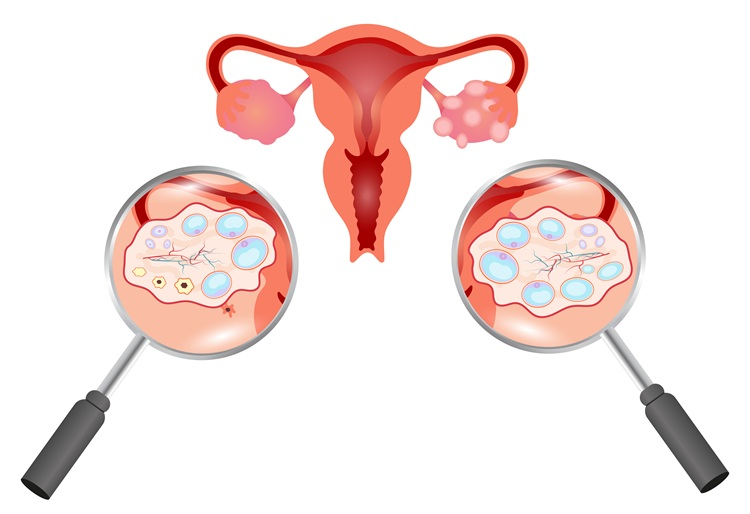
What Is PCOS?
Polycystic Ovary Syndrome (PCOS) is a condition where the ovaries produce higher-than-normal levels of male hormones, known as androgens. This hormonal imbalance directly disrupts the menstrual cycle, ovulation, and your overall metabolic health.
Many women with PCOS also develop small fluid-filled sacs (follicles) on their ovaries, though not everyone with the condition will show visible cysts. Because it affects multiple body systems, the symptoms can vary wildly from person to person.
7 Common PCOS Symptoms to Watch For
Recognizing the early signs of PCOS is crucial for a timely diagnosis. If you consistently notice two or more of the following symptoms, it is highly recommended that you consult a gynecologist.
- Irregular Periods: This is often the earliest sign. Women may experience delayed, missed, or unusually heavy or light bleeding due to a lack of regular ovulation.
- Excess Hair Growth (Hirsutism): Higher androgen levels can trigger coarse, dark hair growth on the face, chest, stomach, back, and thighs.
- Acne and Oily Skin: Severe, persistent hormonal breakouts frequently pop up on the face, chest, and upper back.
- Weight Gain: Many women struggle with unexplained weight gain (especially around the abdomen) and find it incredibly difficult to lose weight due to underlying insulin resistance.
- Scalp Hair Thinning: PCOS can cause gradual hair thinning or shedding similar to male-pattern baldness.
- Skin Darkening: Dark, velvety patches of skin (known as acanthosis nigricans) may appear around the neck, armpits, groin, or under the breasts.
- Fertility Problems: A lack of regular ovulation is one of the primary reasons women with PCOS face challenges when trying to conceive.
What Actually Causes PCOS?
While there is no single confirmed cause, medical experts believe PCOS develops due to a combination of several factors:
- Hormonal Imbalance: Elevated androgen levels interfere with ovulation and cause visible symptoms like acne and facial hair.
- Insulin Resistance: When your body does not use insulin effectively, it triggers your ovaries to produce even more androgens, worsening your symptoms.
- Genetics: PCOS tends to run in families. If your mother or sister has it, you are far more likely to develop it as well.
- Lifestyle Factors: High stress, poor diet, a sedentary lifestyle, and disrupted sleep cycles can severely aggravate the condition.
The Best Treatment Options
While there is no permanent cure for PCOS, the condition is highly manageable! Your doctor will help you build a personalized care plan based on your specific goals, whether that is symptom relief, weight management, or improving fertility.
Lifestyle Modifications This is the first and most critical step. Eating a balanced diet with a low sugar intake, exercising regularly, and managing stress work wonders. In fact, reducing your body weight by just 5% to 10% can significantly improve your PCOS symptoms!
Targeted Medications Doctors frequently prescribe hormonal birth control to regulate periods. They may also use Metformin to improve insulin sensitivity or anti-androgen medicines to combat severe acne and hair growth.
Fertility Treatments For women planning a pregnancy, doctors can prescribe specific ovulation-inducing medications or recommend IVF treatments to help overcome fertility hurdles.
Also Read : How to Track Your Menstrual Cycle for Better Health