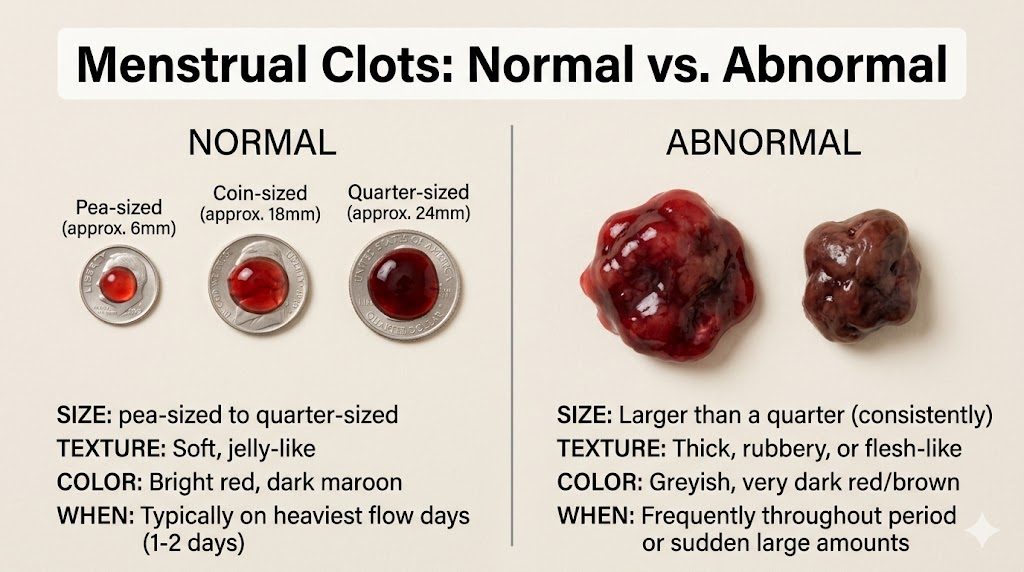
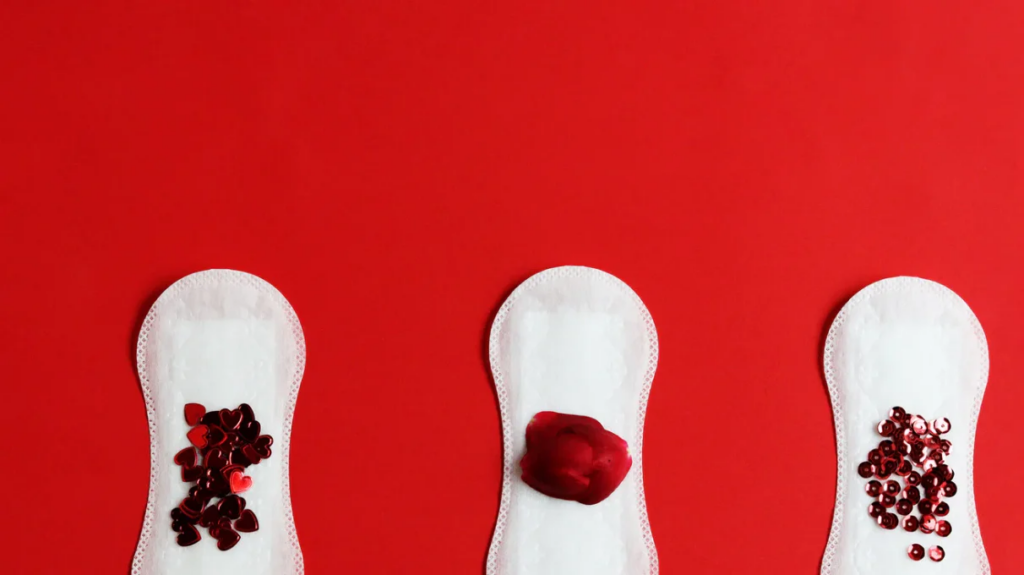
Menstrual clots are a normal part of shedding the uterine lining. The body uses natural anticoagulants to break down blood and tissue, but when the flow is heavy, it can outpace this process, resulting in clots.
Here is a quick guide to distinguishing between typical and atypical clotting:
Feature
“Normal” Clots
Abnormal Clots
Size
Smaller than a quarter
Larger than a quarter
Frequency
Occasional (usually at the start of a period)
Regular or frequent
Bleeding
Standard flow
Heavy (soaking a pad/tampon every 2 hours or less)
Potential Underlying Causes
If you are regularly experiencing large clots and heavy bleeding, it is often tied to a physical or hormonal factor. Common causes include:
Uterine Obstructions: Conditions like fibroids (noncancerous tumors), endometriosis (uterine-like tissue growing outside the uterus), or adenomyosis (uterine lining growing into the uterine wall).
Hormonal Imbalances: Fluctuations in estrogen and progesterone caused by stress, significant weight changes, perimenopause, or menopause.
Pregnancy Loss: Miscarriages can cause heavy bleeding, cramping, and clotting.
Bleeding Disorders: Conditions like von Willebrand disease (VWD) can cause chronic heavy bleeding.
When to See a Doctor
You should reach out to a healthcare provider if you experience any of the following:
Regularly passing clots larger than a quarter.
Bleeding heavy enough to soak through a pad or tampon every hour for several hours.
Signs of iron deficiency anemia, such as extreme fatigue, weakness, paleness, or shortness of breath.
Passing large clots when you suspect you might be pregnant.
Management and Relief
If heavy flows are impacting your daily life, a few practical steps can help manage the physical toll:
Take over-the-counter NSAIDs (like ibuprofen) at the start of your period to ease cramps and potentially reduce blood loss. (Note: Avoid NSAIDs if you have a bleeding disorder like VWD).
Double up on protection by wearing a tampon and a pad, or using two pads on heavy days.
Stay hydrated and eat an iron-rich diet (spinach, quinoa, tofu, meat) to help prevent anemia.