
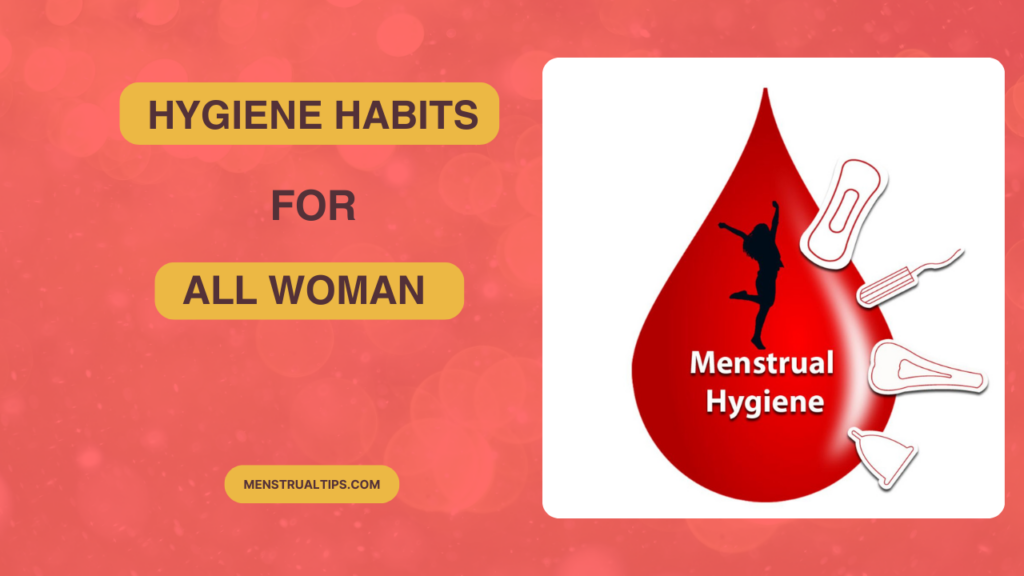
Maintaining menstrual hygiene is not a big problem. If you keep yourself hygiene during periods it will helps to prevent infections and rashes. Vaginal part is being very sensitive area and every woman has to take care and clean with fresh waters. Menstrual hygiene is not only for beginners, but this should also be maintained by every woman in every menstrual cycle. So, you have to make small changes in your period time which is keeping your private part hygiene and just make habits to follow it.
As we know that every woman is not born with period knowledge, but they dig into google search, asking with friends and mother advice. So, here are the hygiene habits which every woman should follow it.
ALSO READ: How to Sleep Better During Your Period
Waiting Too Long to Change Your Pad or Tampon
It’s easy to delay a change when you’re busy, stuck in meetings, or simply not thinking about it. If the flow seems light, you might assume it’s fine to wait. But menstrual products aren’t just about absorption they’re about hygiene too. Leaving them on for too long creates moisture buildup, and moisture encourages bacterial growth.
Changing pads every few hours and tampons within their recommended time frame isn’t just about preventing leaks it’s about keeping your body comfortable and protected. Even on lighter days, regular changes matter more than we realize.
Choosing the Wrong Absorbency for Your Flow
There’s a common misconception that “higher absorbency is always better.” It feels safer, like extra insurance. But using super-absorbent products on lighter days can cause dryness and irritation. On heavy days, using lighter options may leave you anxious about leaks.
Your flow changes throughout your cycle. Matching your product to that change isn’t complicated it just requires paying attention. It’s a small shift that can dramatically improve comfort.
Over-Cleansing the Intimate Area
Somewhere along the way, many women were made to believe that periods require intense cleaning. Scented washes, sprays, wipes, and even douching products promise “extra freshness.” In reality, they often disrupt the natural balance of the vaginal area.
The body is designed to maintain its own balance. Gentle cleansing of the external area with water and maybe a mild, unscented soap is enough. Anything harsher can actually cause irritation instead of preventing it.
Forgetting Basic Hand Hygiene
It sounds obvious, but in everyday life, it’s easy to overlook. Washing your hands before and after changing menstrual products helps prevent bacteria from entering sensitive areas. Especially in public restrooms, this simple step becomes even more important. Sometimes the simplest habits are the most powerful.
Wearing Tight or Non-Breathable Clothing
When you’re already dealing with hormonal shifts, cramps, and bloating, tight clothing can make everything worse. Synthetic fabrics trap heat and moisture, creating discomfort and increasing the chance of irritation.
Choosing breathable cotton underwear and comfortable clothing during your period isn’t about style it’s about supporting your body while it’s already working hard.
Ignoring Nighttime Protection
Night leaks are incredibly common, yet many people continue using regular daytime pads while sleeping. When you lie down, menstrual flow spreads differently, and movement during sleep can shift products out of place.
Overnight products exist for a reason they offer longer coverage and better protection. Making that switch can mean waking up relaxed instead of stressed.
Improper Disposal of Menstrual Products
Flushing pads or tampons may seem convenient, but it can cause plumbing issues and environmental damage. Used products should be wrapped properly and disposed of in a bin. If you use reusable options, cleaning and drying them thoroughly before storage is essential.
Hygiene doesn’t end at use it continues with disposal.
Overlooking Internal Health During Your Period
Menstrual hygiene isn’t only external. During your period, your body loses iron and experiences hormonal fluctuations that can leave you feeling drained. Skipping meals, not drinking enough water, or relying heavily on processed foods can intensify fatigue and discomfort.
Balanced nutrition, hydration, and rest are just as important as the products you choose.
Dismissing Unusual Symptoms
Not every symptom is “just part of having a period.” Persistent itching, strong odor, unusual discharge, or severe pain shouldn’t be ignored. These can signal infections or other health concerns that need medical attention.
Listening to your body is a form of self-care not overreaction.
Feeling Too Embarrassed to Ask Questions
Perhaps the biggest mistake of all is silence. Many women continue practices simply because they were never given the space to ask better questions. Periods are natural, yet they’re often surrounded by unnecessary shame.
There’s nothing awkward about wanting to understand your body. In fact, the more openly we talk about menstrual health, the healthier our habits become.
At last, I would say that Menstrual hygiene doesn’t require perfection. It requires awareness. Most mistakes aren’t dramatic they’re subtle, everyday habits that can be adjusted with small changes. Your period is a natural process, not a problem to hide. Taking care of yourself during it isn’t complicated it’s simply about respecting your body and giving it what it needs. And once you know better, you naturally do better.