



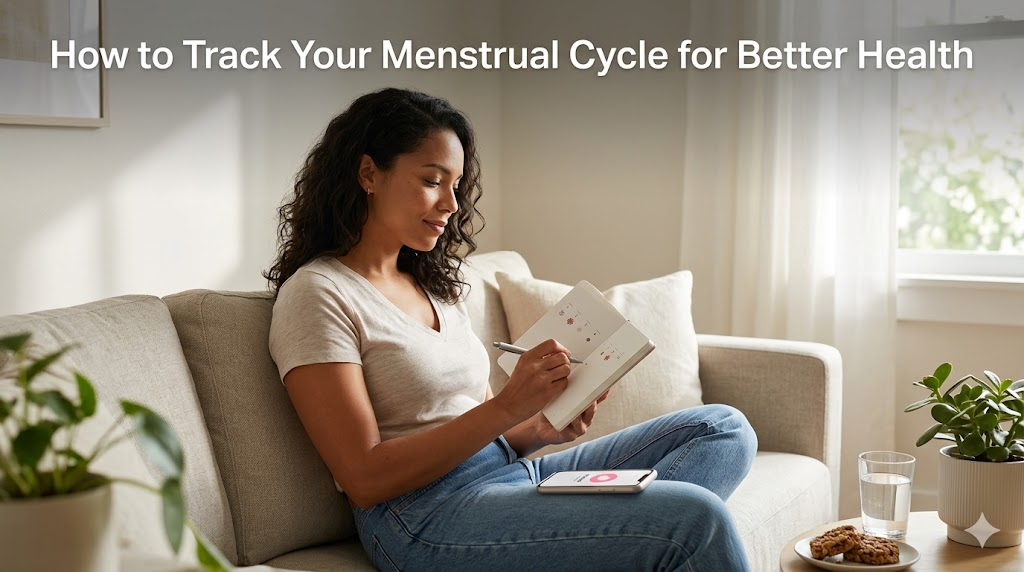
The menstrual cycle is a vital aspect of a woman’s reproductive health. Understanding its phases, tracking its changes, and recognizing irregularities can provide essential insights into your fertility, hormonal balance, and overall well-being. Let’s explore how the menstrual cycle works, its distinct phases, and why tracking it is one of the best things you can do for your body.
What Is the Menstrual Cycle & Why Does It Matter?
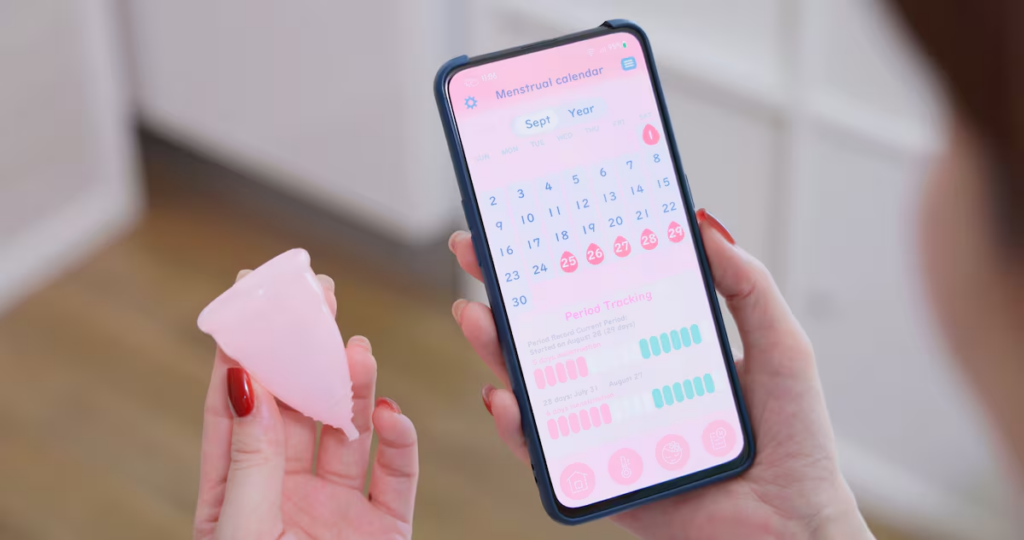
The menstrual cycle is a natural process that happens in a woman’s body every month to prepare for a possible pregnancy. The cycle starts on the first day of menstruation (your period) and ends when the next period begins. While the average length of a menstrual cycle is 28 days, a perfectly healthy cycle can range anywhere from 21 to 35 days.
The menstrual cycle plays a key role in reproductive health and is regulated by hormones like estrogen and progesterone. Understanding your cycle is important for several reasons:
- Fertility Awareness: Helps you pinpoint the most fertile days for conception.
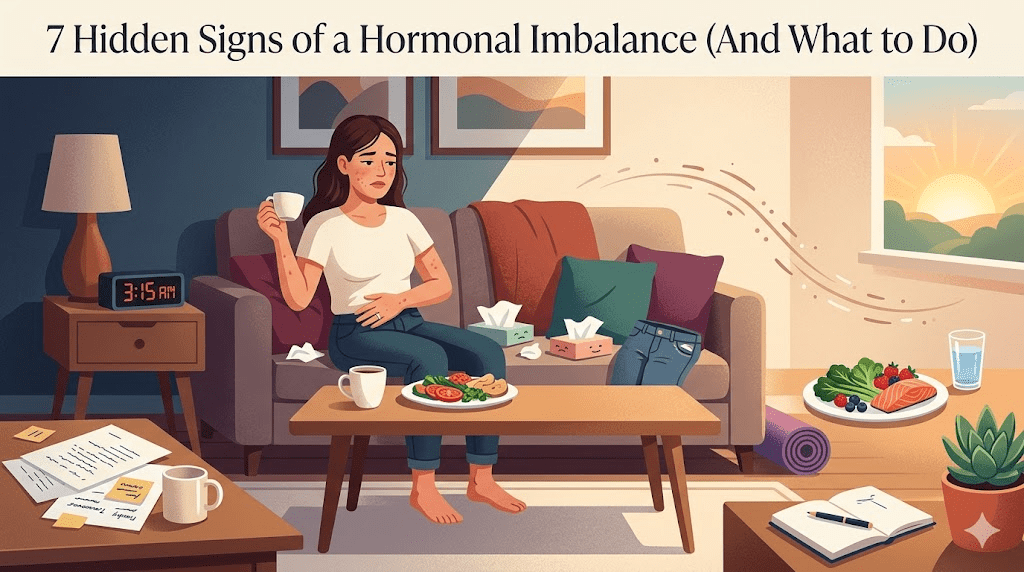
- Hormonal Health: Irregular cycles can signal hormonal imbalances or hidden health conditions.
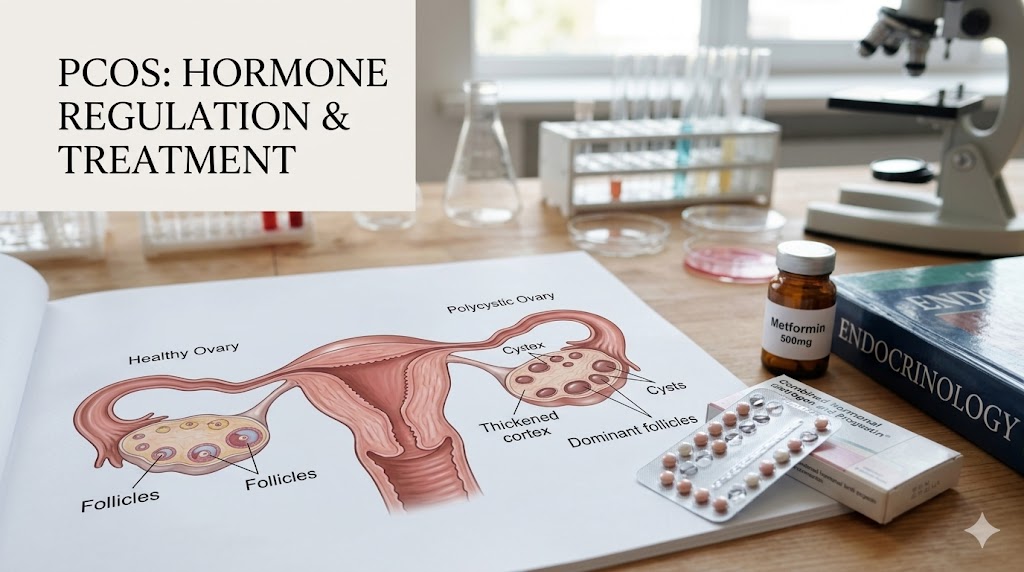
- General Health Indicator: Changes in your cycle can be an early sign of issues like Polycystic Ovary Syndrome (PCOS), thyroid problems, or stress.
- Family Planning: Knowing your cycle helps with natural contraception or pregnancy planning.
The Four Phases of the Menstrual Cycle
Your cycle is divided into four main phases. Tracking them helps you understand why your energy and mood shift throughout the month.
1. Menstrual Phase (Days 1–5) This phase begins when the uterine lining (endometrium) sheds, leading to your period. Hormone levels (estrogen and progesterone) are at their lowest, which may cause fatigue or mood swings. Proper hydration, a balanced diet, and adequate rest can help alleviate discomfort.
2. Follicular Phase (Days 6–13) The body prepares for ovulation as the pituitary gland releases follicle-stimulating hormone (FSH). Estrogen levels rise, stimulating the growth of follicles in the ovaries. The uterine lining thickens to prepare for possible implantation. This is an ideal phase for high-energy workouts and nutrient-rich diets, as rising estrogen naturally boosts your energy and mood.
3. Ovulation Phase (Days 14–16) Ovulation is the release of a mature egg from the ovary, triggered by a surge in luteinizing hormone (LH). This is your fertile window—the absolute best time for conception. You might experience mild pelvic pain (mittelschmerz) or notice that your cervical mucus becomes clear and stretchy.
4. Luteal Phase (Days 17–28) After ovulation, progesterone levels rise to support a potential pregnancy. If fertilization does not occur, hormone levels drop, leading to the start of your next period. This drop is what triggers Premenstrual Syndrome (PMS) symptoms like bloating, mood swings, fatigue, and food cravings.
How to Sync Your Diet & Exercise with Your Cycle
Your hormones affect your energy levels and metabolism. Syncing your lifestyle with your cycle can make you feel incredibly balanced:
- Menstrual Phase: You are losing blood, so focus on iron-rich foods like spinach, lentils, and red meat. Stick to gentle exercises like yoga or walking to avoid fatigue.
- Follicular Phase: Your estrogen is rising. Eat protein-rich foods like eggs, chicken, and fish. This is the best time for strength training and muscle-building workouts.
- Ovulation Phase: Estrogen is at its peak. Include healthy fats (avocados, nuts) and fiber in your diet. You’ll feel your strongest, so high-intensity interval training (HIIT) is highly effective right now.
- Luteal Phase: Progesterone levels rise, causing bloating. Eat magnesium-rich foods (dark chocolate, bananas, almonds) to soothe symptoms. Opt for light workouts like walking, Pilates, or stretching.
Step-by-Step Guide to Tracking Your Cycle
Tracking your cycle is easier than ever. Here is how to get started:
- Record your period’s start and end dates.
- Note your cycle length and flow type (heavy, medium, light).
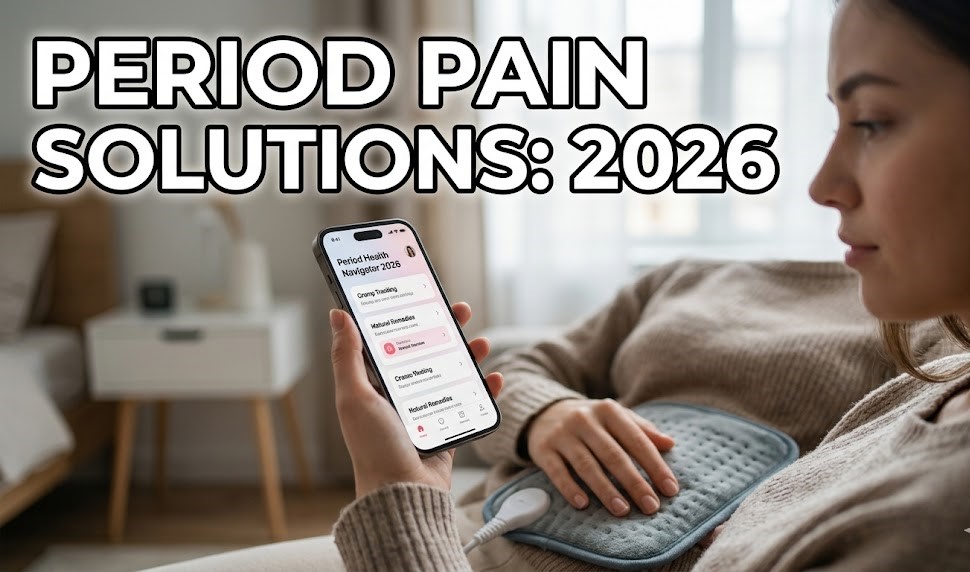
- Track your PMS symptoms, mood changes, and cramps.
- Observe cervical mucus changes to identify ovulation.
- Log your basal body temperature (BBT) each morning for advanced fertility awareness.
Best Apps for Tracking: You don’t have to do it on paper! Try apps like Clue (science-backed insights), Flo (AI-powered predictions), Period Tracker (beginner-friendly), My Calendar (great for symptom logging), or Natural Cycles (FDA-approved for natural contraception).
When to Consult a Doctor
Your cycle is a reflection of your overall well-being. If you notice persistent irregularities, do not ignore them. Seek medical advice if you experience:
- Consistently Irregular Cycles: Cycles that are too short (under 21 days), too long (over 35 days), or highly unpredictable.
- Extreme Pain & Heavy Bleeding: Cramps that interfere with your daily life or bleeding that soaks through pads very quickly.
- Signs of Imbalance: Severe hormonal acne, excessive hair growth, or skipped periods without being pregnant, which could point to endometriosis or PCOS.
Take Control of Your Reproductive Health
If you are experiencing irregular periods, extreme pain, or having trouble conceiving, expert help is available. Consulting Dr. Chinmay Pataki, one of the top gynecologists at Isha Women’s Hospital, can help you detect underlying issues early and receive the best care for your reproductive health.
Your health is in your hands—start tracking your cycle today!
Frequently Asked Questions (FAQs)
1. What is the best way to track my menstrual cycle? Use a period tracking app, a calendar, or a journal to log your cycle dates and daily physical symptoms.
2. How do I know if my menstrual cycle is irregular? If your cycle is consistently shorter than 21 days, longer than 35 days, or highly unpredictable month-to-month, it may be irregular.
3. Can tracking my period help me get pregnant? Yes! Knowing your fertile window and ovulation date significantly increases your chances of getting pregnant.
4. What are the signs of ovulation? Look for clear, stretchy cervical mucus, a slight rise in your basal body temperature, and occasionally, mild pelvic cramping.
5. When should I see a doctor for menstrual cycle issues? Seek medical advice immediately if you experience missed periods, extreme debilitating cramps, or excessively heavy bleeding.
About Isha Women’s Hospital
Located conveniently for residents seeking the best IVF center in Dombivli and the top fertility clinic in Kalyan-Dombivli, Isha Women’s Hospital provides compassionate, expert care. Whether you are looking for the best IVF doctor in Dombivli, exploring IUI treatment, or navigating IVF costs in Kalyan-Dombivli, our team is here to support you. We are proud to be recognized as the best fertility hospital in Dombivli, offering advanced ICSI treatments and sperm freezing in Kalyan-Dombivli and surrounding areas.
Location: Ground floor, Globe Pinnacle Towers, MIDC Rd, opposite Pendharkar College Gate, Azde Gaon, Tata Power Company Limited, Dombivli East, Dombivli, Maharashtra 421203
Opening Hours:
- Monday – Thursday: 8:00 AM – 9:00 PM
- Friday – Saturday: 10:00 AM – 6:00 PM
- Sunday: Closed
Also Read : Painful Periods vs. Endometriosis: How to Tell the Difference