



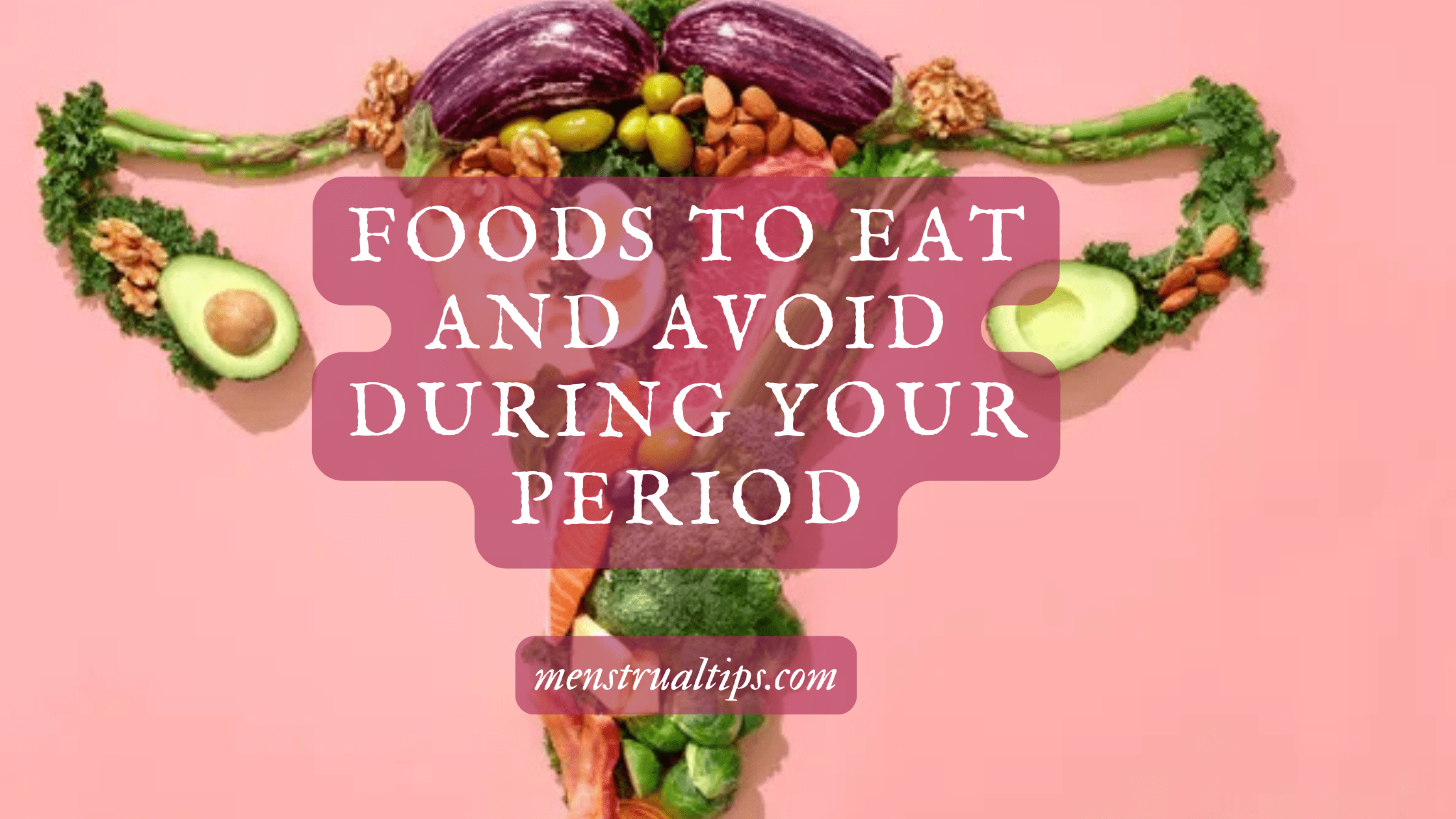
In Period, craving is the sign of mood swings. Not only we crave but, in a minute, your energy, mood or body changes. Food is something which will change your mood and your taste. Eating dark chocolate relax your bloating and your mind.
But the reality is, eating good food will support your body in periods and help in reduce cramps, bloating, fatigue and keep your mood more stable. And choosing unhealthy foods will make things worse. Hygienic meals will actually help you.
Why Food Matters During Your Period
During menstruation, your body goes through hormonal shifts and loses iron through blood. This can leave you feeling tired, achy, and low on energy. Certain nutrients help replenish what your body loses, while others reduce inflammation and muscle tension.
Eating well during your period isn’t about dieting it’s about comfort, balance, and care.
Foods That Can Help You Feel Better
ALSO READ: Menstrual Hygiene Tips to Stay Comfortable and Healthy
1. Iron-Rich Foods for Low Energy
If you feel weak or unusually tired during your period, low iron could be part of the reason.
Helpful options include:
- Spinach and leafy greens
- Lentils, beans, and chickpeas
- Tofu
- Dates and raisins
- Lean meats (if you eat)
Pair plant-based iron foods with vitamin C (like lemon, oranges, or tomatoes) to help your body absorb iron better.
2. Foods With Magnesium to Ease Cramps
Magnesium helps relax muscles, which can reduce cramping and tension.
Good sources:
- Dark chocolate
- Nuts and seeds
- Bananas
- Whole grains
This is one reason chocolate cravings are so common you’re not imagining it.
3. Omega-3 Fats for Pain and Inflammation
Omega-3 fatty acids may help reduce period pain by calming inflammation.
Try adding:
- Walnuts
- Flaxseeds or chia seeds
- Fatty fish like salmon
- Mustard oil or flaxseed oil
Even small amounts can help when eaten regularly.
4. Warm, Comforting Foods
Warm foods are easier on digestion and can help relax the abdominal muscles.
Good choices:
- Soups and stews
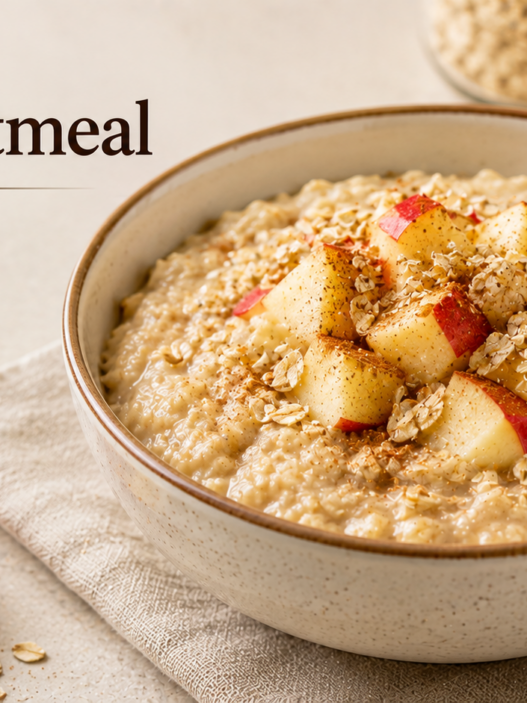
- Oats or porridge
- Warm milk or plant-based alternatives
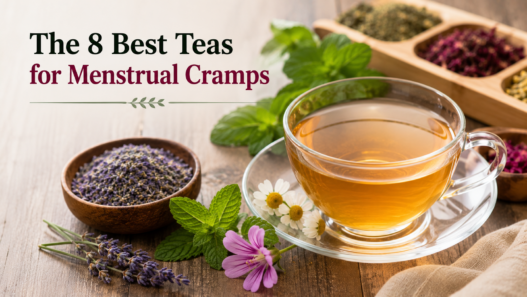
- Herbal teas like ginger or chamomile
These foods can also help with bloating and discomfort.
5. Fruits and Vegetables for Bloating and Digestion
High-fiber fruits and vegetables support digestion and prevent constipation, which often worsens period pain.
Focus on:
- Papaya
- Berries
- Cucumbers
- Carrots
- Zucchini
They’re light, hydrating, and gentle on the stomach.
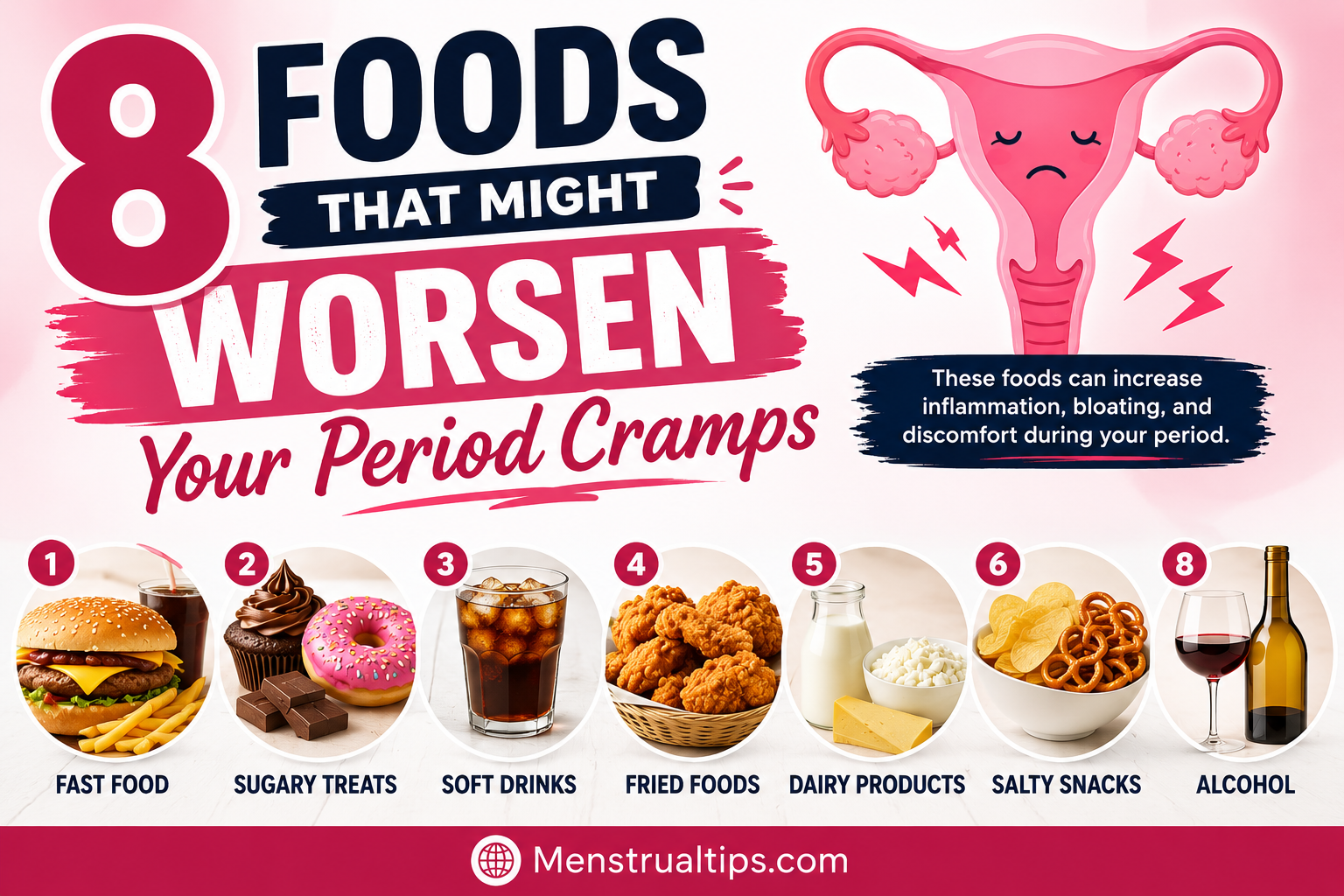
Foods You May Want to Limit
You don’t need to completely avoid these but reducing them can help.
Excess Sugar
Too much sugar can cause blood sugar spikes, leading to mood swings and fatigue.
Salty Snacks
High salt intake can increase water retention and bloating.
Too Much Caffeine
Coffee and strong tea can worsen cramps and anxiety for some people.
Ultra-Processed Foods
These often increase inflammation and leave you feeling heavy or sluggish.
Don’t Forget About Hydration
Drinking enough water helps reduce bloating and supports circulation. If plain water feels boring, try:
- Warm lemon water
- Coconut water
- Herbal teas
Staying hydrated can make a noticeable difference in how your body feels.
Listen to Your Body
Every period is different and so is everybody. Some people feel better eating lighter meals, while others need something more filling. The key is paying attention to how certain foods make you feel. If a meal leaves you feeling calmer, lighter, or more comfortable, that’s a good sign.
Eating during your period isn’t about following strict rules. It’s about choosing foods that support your energy, ease discomfort, and make you feel cared for. Be gentle with yourself. Rest when you really need. Eat foods that feel nourishing not punishing. Your body is already doing a lot this time of month.