

September marks Polycystic Ovary Syndrome (PCOS) Awareness Month, a time to shed light on how this condition impacts fertility and overall reproductive health. In this guide, we explore the links between PCOS and fertility challenges, discuss treatment options, and highlight the importance of understanding this condition for those looking to conceive.
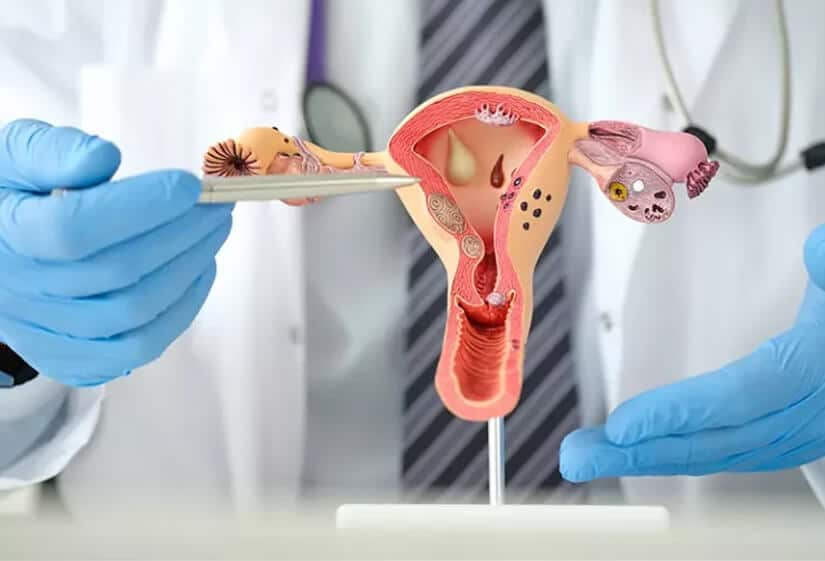
What is Polycystic Ovary Syndrome?
Polycystic Ovary Syndrome (PCOS) is a hormonal condition affecting between 8% and 13% of all women of reproductive age. Unlike common identifiable diseases, it encompasses several interconnected issues and symptoms typically found together.
It is incredibly common for those diagnosed with PCOS to face fertility struggles. Those who suffer from severe PCOS may not regularly release eggs or ovulate. Fortunately, thanks to continuous advancements in Assisted Reproductive Technology (ART), there are a variety of highly effective fertility treatments available today.
Diagnosis and Symptoms
Unfortunately, there is no one-size-fits-all test to diagnose PCOS. Diagnosis involves a combination of clinical presentation, supportive blood tests, and a pelvic ultrasound. To be officially diagnosed, you must meet at least two of the following three criteria:
- Irregular menstrual cycles
- Several ovarian cysts (polycystic ovaries)
- Signs of abnormally high androgen (male hormone) levels
Common Symptoms
Because the condition affects everyone differently, symptoms vary widely. The most common include:
- Irregular periods or complete lack of menstruation
- Excessive hair growth on the face, chest, and back (hirsutism)
- Skin changes like acne, oily skin, or skin tags
- Male-pattern baldness or thinning hair
- Weight gain and significant challenges losing weight
- Infertility
Associated Health Risks
Diagnosis is critical because PCOS can shed light on a person’s risk for developing a growing list of comorbidities, including:
- Type 2 diabetes and insulin resistance
- Cardiovascular diseases
- Sleep apnea
- Depression and mood swings
- Endometrial cancers
- Liver and kidney disease
Managing and Treating PCOS
While the exact cause of PCOS remains unclear—likely a complex mix of genetics, insulin resistance, and inflammation—treatment is highly personalized.
1. Lifestyle Changes
A balanced diet, regular physical activity, and stress management are foundational. Regulating insulin through weight management can drastically improve hormonal balance, restore menstrual regularity, and enhance natural fertility potential.
2. Medications
Hormonal contraceptives are commonly prescribed to regulate cycles and reduce acne or excess hair growth. Anti-androgens (like spironolactone) help manage hirsutism, while medications like metformin improve insulin sensitivity.
3. Surgical Options
When other treatments fail, surgery may be considered. Laparoscopic Ovarian Drilling (LOD) is a minimally invasive procedure where a surgeon uses a laparoscope to create small holes in the ovarian tissue. This helps reduce androgen production and promote normal ovarian function.

Getting Pregnant With PCOS
Elevated androgen levels often disrupt ovulation, making natural conception difficult. Tracking ovulation via basal body temperature or predictor kits is a vital first step.
- Fertility Medications: The first medical step usually involves oral drugs like letrozole or clomiphene citrate (Clomid) to stimulate ovulation. Injectable fertility medications can also be used, though they require continuous medical supervision to avoid the risk of multiple births.
- IVF for PCOS: In Vitro Fertilization (IVF) is an excellent option when basic fertility medications fail. With IVF, doctors can safely retrieve eggs, fertilize them in a lab, and transfer a single embryo into the uterus. The success rate of IVF in PCOS patients is exceptionally high, generally around 70%.
How PCOS Effects Pregnancy
While many women with PCOS go on to have incredibly healthy pregnancies, the condition does increase certain risks. Women with PCOS have a higher likelihood of miscarriage, gestational diabetes, and preeclampsia (dangerously high blood pressure during pregnancy). These risks necessitate careful monitoring through regular prenatal care.
If you are struggling with PCOS and trying to build your family, you are not alone. With the right medical guidance, proactive lifestyle changes, and tailored fertility treatments, achieving your dream of having a child is highly possible.