





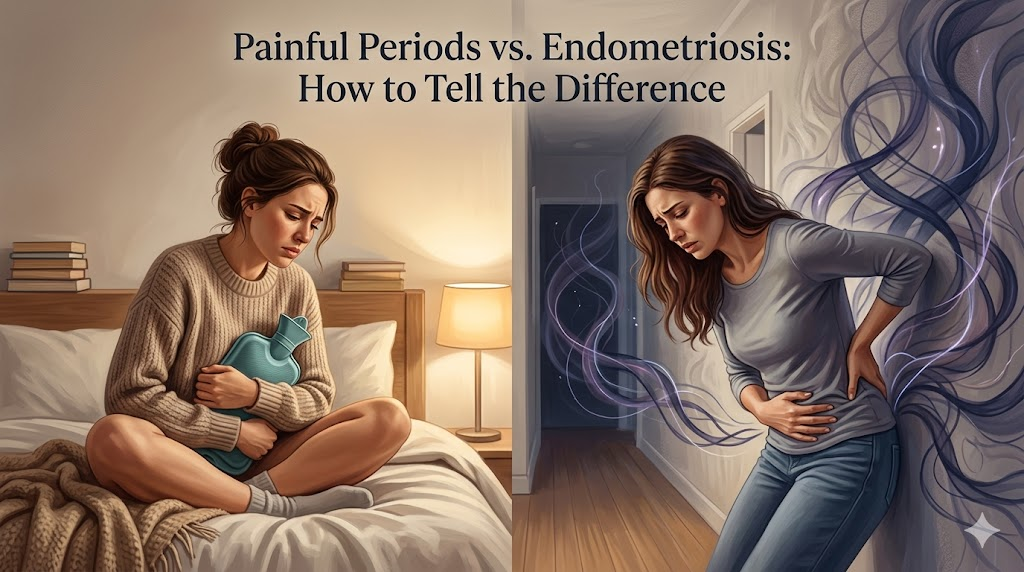
Most women have asked themselves at some point: “Is it normal to have periods this painful?” While mild discomfort is a standard part of the menstrual cycle, debilitating pain that stops you in your tracks is not. Often, what women dismiss as a “bad period” is actually a medical condition called Endometriosis.
Understanding the difference between typical menstrual cramps and endometriosis is the first step toward getting the right help. Early diagnosis not only relieves pain but can also help preserve your fertility.
What is “Normal” During Your Period?
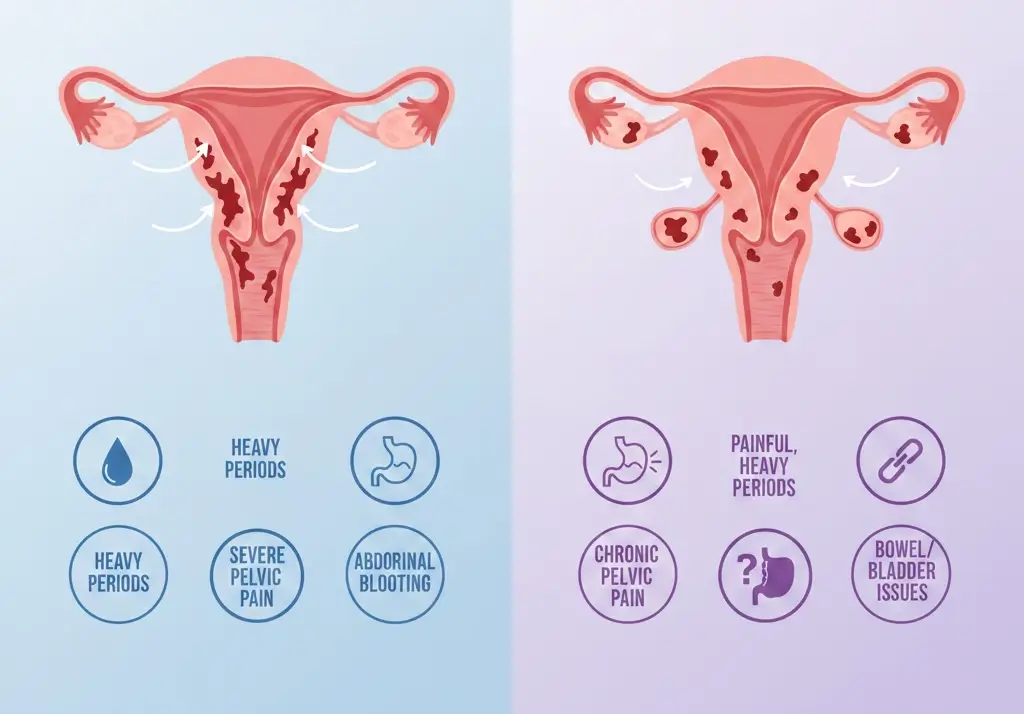
Menstruation is a natural part of the reproductive cycle. On average, a period lasts between 2 to 7 days. Mild cramping, slight fatigue, and minor mood changes are common. These symptoms are typically manageable with home remedies or standard over-the-counter medications.
However, a healthy cycle should not disrupt your life. If you are missing work, school, or social events every month, your pain deserves a closer look.
Red Flags: When to Worry
Pain is subjective, but clinical warning signs indicate your pain might be a symptom of something more serious:
- Routine Disruption: You cannot go about your daily life because of the pain.
- Medication Failure: Standard painkillers offer little to no relief.
- Chronic Duration: Pain starts several days before your period and lingers after it ends.
- Heavy Bleeding: You soak through a pad or tampon in less than an hour or pass large clots.
- Internal Pain: You experience painful bowel movements or urination during your cycle.
What Exactly is Endometriosis?
Endometriosis occurs when tissue similar to the lining of the uterus grows in other places, such as the ovaries, fallopian tubes, or the pelvic cavity.
This tissue responds to hormonal changes just like the uterine lining—it builds up and breaks down. However, because this tissue is outside the uterus, it has no way to exit the body. This leads to inflammation, intense pain, and potentially the formation of scar tissue.
How Doctors Diagnose and Treat the Condition
Diagnosing endometriosis isn’t always simple, as symptoms often mimic other conditions. A gynaecologist may recommend:
- Imaging: Ultrasounds or Pelvic MRIs.
- Laparoscopy: A minor surgical procedure where a tiny camera is used to see endometrial tissue directly. This is the most definitive diagnostic tool.
Treatment Options:
- Hormonal Therapy: Medications that regulate ovulation can slow tissue growth.
- Pain Management: Prescription-strength anti-inflammatories.
- Surgery: Conservative surgery to remove growths or, in severe cases, a hysterectomy.
- Lifestyle Changes: An anti-inflammatory diet rich in Omega-3s and leafy greens can help reduce flare-ups.
Conclusion
Stop normalizing unbearable pain. If your cycle is affecting your quality of life, it is time to seek an evaluation. Early intervention is the best way to manage symptoms and protect your long-term health.
Also Read : 5 Proven Ways to Get Fast Relief From Period Cramps