





Menstrual cramps are characterized by a dull, aching pain in the lower abdomen that can cause significant discomfort and distress. While over-the-counter medications are a common go-to, many women are turning to natural dietary adjustments to find relief.
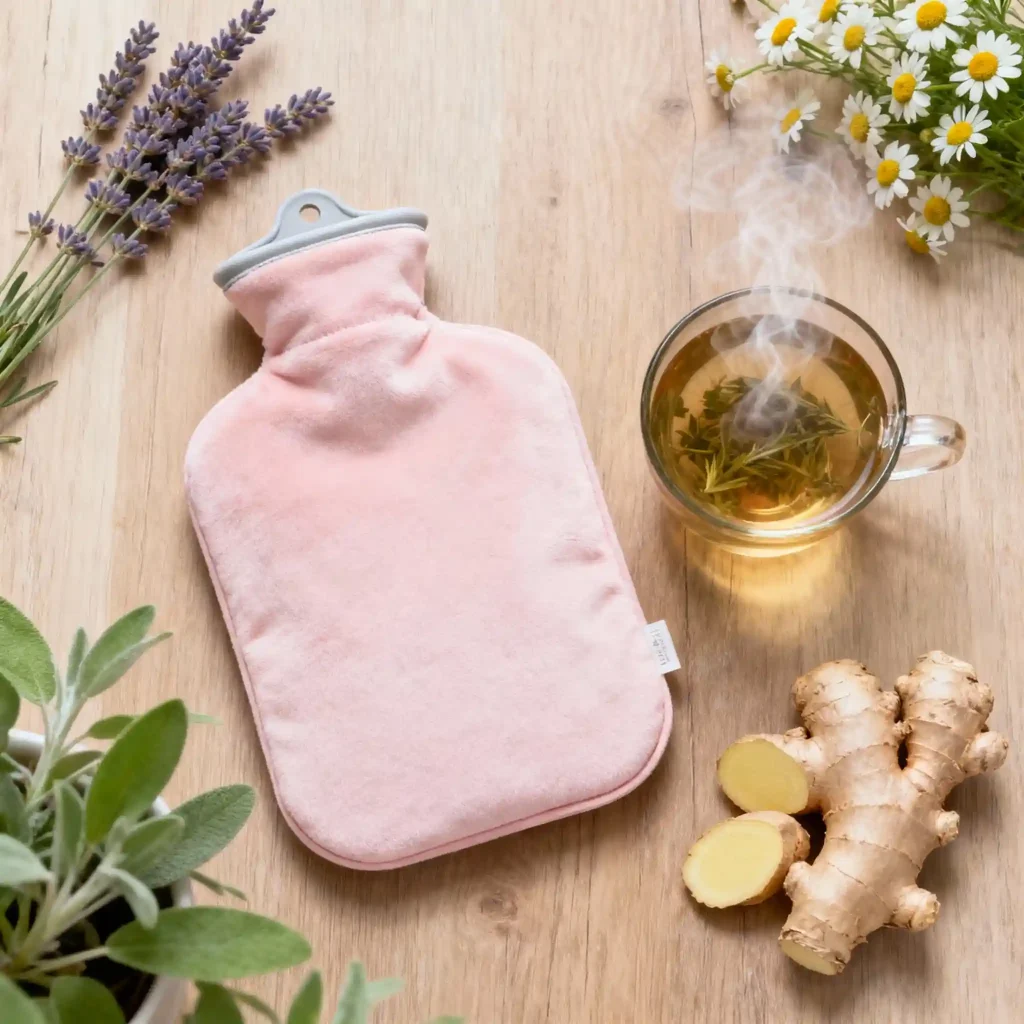
Here is a look at the science behind ginger water, how to make it, and other herbal teas that can help soothe your menstrual pain.
The Science Behind Ginger and Period Pain
Ginger is a widely used herb famous for its warming and pain-relieving properties. Recent studies indicate that the compounds found in ginger can protect against inflammation by inhibiting the body’s production of prostaglandins.
Prostaglandins are the inflammatory substances that trigger your uterine wall to contract and shed its lining. Excessive prostaglandin production is the primary culprit behind severe menstrual cramps. By consuming ginger, you can actively reduce these cramps and soothe your stomach.
As a bonus, ginger is also proven to reduce nausea, alleviate joint pain, and even reduce heavy menstrual blood loss, which helps prevent anemia.
How to Make Ginger Water at Home
Making your own ginger water for menstrual pain relief is incredibly easy:
- Grate a small amount of fresh or dried ginger into a pot of water.
- Boil the mixture for 5 minutes.
- Strain the water into a mug.
- Add a moderate amount of honey or a pinch of salt to taste.
Dosage: Drinking a cup of this ginger tea twice a day during your cycle can significantly reduce cramping.
Note: Ginger acts as a natural blood thinner. If you have a bleeding disorder, are taking medications that affect blood circulation, or are scheduled for surgery within two weeks, consult your doctor before consuming ginger.
4 Other Natural Teas for Cramp Relief
If you aren’t a fan of ginger, several other natural herbs can help ease discomfort during menstruation:
- Fennel Tea: Fennel seeds contain anti-inflammatory properties that relax the uterine muscles. Boil one teaspoon of seeds for 5 minutes, strain, and add honey.
- Chamomile Tea: Chamomile helps relax the uterus. Steep a tea bag in hot water for 10 minutes, add lemon juice or honey, and drink two cups daily the week before your period begins.
- Cinnamon Tea: Cinnamon is known for its anti-inflammatory and anticoagulant properties. Add a teaspoon of cinnamon powder to hot water, steep for 2-3 minutes, and sweeten with honey.
- Parsley Tea: Often used to regulate irregular cycles, parsley can also reduce cramps. Boil a handful of fresh parsley for 5 minutes, strain, and drink warm twice a day.
When to See a Doctor
While cramps are a common symptom for many women, debilitating pain is not normal. If your menstrual cramps are severe, frequent, or persist beyond your cycle, you should consult a healthcare provider. Intense pain could indicate a more serious underlying condition, such as endometriosis or uterine fibroids.
For standard cramps, combining ginger water with other self-care methods—like applying heat to the lower abdomen, reducing salt and caffeine, and taking magnesium or vitamin B6 supplements—can help keep your pain at bay.
Also Read : Menstrual Clots: Normal vs. Abnormal