



Polycystic Ovary Syndrome (PCOS) is more common than you might expect, affecting approximately 1 in 10 women. While it brings a host of challenging symptoms, an irregular and unpredictable menstrual cycle is often one of the most frustrating.
Fortunately, from intermittent fasting to fighting fatigue, there are plenty of lifestyle changes you can implement to help manage your condition. Here, experts from Fertility Family explain exactly why this happens and what you can do to regulate your periods if you are one of the millions of women living with PCOS.

What is PCOS?
PCOS takes its name from an excess of harmless cysts (which are actually undeveloped follicles) in the ovaries—often twice the normal amount. Usually no bigger than 8mm in size and located just beneath the surface of the ovary, these follicles contain eggs that have not developed properly due to a hormonal imbalance.
This imbalance can cause complications when trying to become pregnant, alongside several other systemic health issues. Despite the problems it can cause, PCOS is a highly manageable and treatable condition.
What Are the Most Common Symptoms?
PCOS can be a difficult condition to pin down because it presents a wide variety of symptoms, and there is no “typical” person with PCOS. For example, some people with the condition may be overweight, while others are slim.
Specialists broadly define PCOS by the presence of at least two out of the following three main criteria:
- Menstrual cycle disturbances: Irregular or absent periods, which also indicate irregular or absent ovulation.
- Higher testosterone (androgen) levels: This causes physical symptoms such as hirsutism (unwanted male-pattern hair growth), thinning hair, and acne (caused by overactive sebaceous glands).
- Small multiple follicles (cysts): Arranged around the outside of the ovary, visible on an ultrasound scan.
Why Does PCOS Cause Irregular Periods?
In menstruating women without PCOS, a follicle matures once per month and releases an egg to be fertilized. However, the hormonal imbalances in women with PCOS can prevent this follicle from maturing or releasing an egg.
When small follicles fail to reach maturity, they do not rupture. This leads to a deficiency of progesterone. Menstruation normally occurs when progesterone levels fall after spiking post-ovulation. When there is no ovulation, there is no progesterone drop, and usually no menstruation. This is exactly why women with PCOS often skip periods.
“Consulting a healthcare professional should be your first port of call when it comes to issues such as these—preferably seeking help from a fertility specialist to determine the underlying cause of your irregular periods. Keeping track of your cycle as much as possible is also very helpful, giving your doctor insights into what this pattern (or lack thereof) could mean for you.” — Terry Sullivan
Regulating Periods with PCOS
Everyone is different, so what works for one woman may not work for another. However, the methods below have been shown to go a long way toward regulating periods naturally:
1. Maintaining a Healthy Weight
In women who are overweight, achieving a healthier weight can drastically help regulate periods and relieve the severity of PCOS symptoms. For overweight women in particular, irregular periods, heavier bleeding, and pain are incredibly common. Speak to your doctor to find out how to reach a more manageable weight safely.
2. Exercising More Regularly
Engaging in regular exercise is one of the core recommendations for managing PCOS. While the direct impact of exercise on menstruation patterns is still an area of ongoing research, it heavily assists with insulin regulation and weight control. Whether it’s yoga, swimming, or running, finding a form of movement you enjoy can keep PCOS from disrupting your daily life.
3. Kitchen Remedies and Diet
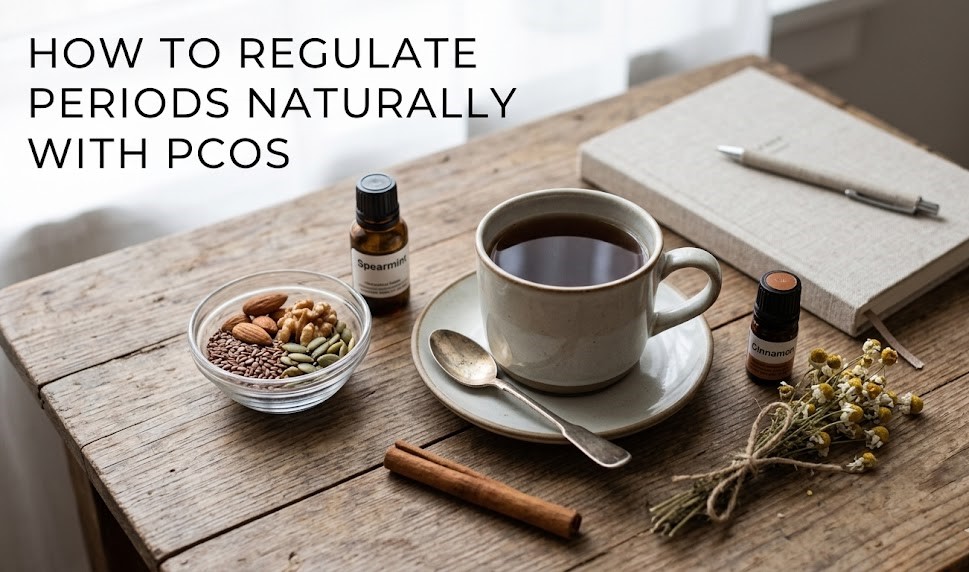
While the science is still evolving, there are numerous overall health benefits to increasing your intake of foods with anti-inflammatory properties. Incorporating ingredients like ginger, cinnamon, pineapple, papaya, and turmeric into a balanced diet provides a vital mix of macro and micro-nutrients that support hormone health.
4. Vitamin and Fertility Supplements
The reproductive benefits of getting enough Vitamin D are well-documented and extend to regulating periods and reducing other symptoms of PCOS. Good natural sources include oily fish and egg yolks, but daily supplements can also help correct deficiencies.
Additionally, fertility supplements that specifically support PCOS, such as Inofolic® Alpha, use naturally derived ingredients to help restore hormonal balance. Taking a targeted PCOS supplement can support your body internally and help get your cycle back on track.