
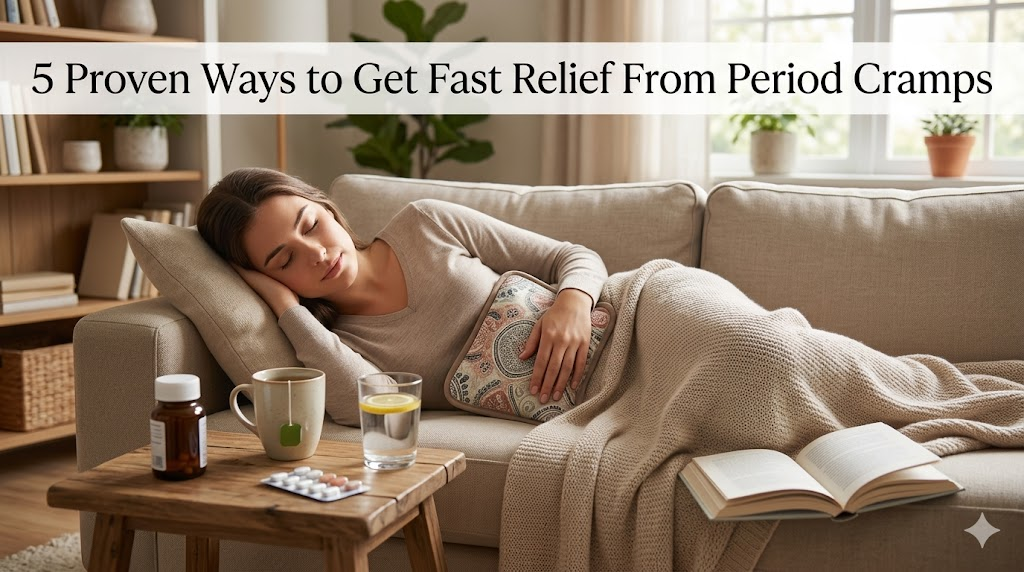
That time of the month brings a host of annoying symptoms. From intense food cravings to severe bloating, your body goes through a lot. However, for many women, the absolute worst part is the menstrual cramps.
Dr. Mae Kathleen Borchardt, an OB-GYN at Houston Methodist, explains that cramps happen when the muscles and blood vessels in your uterus contract to shed its lining. While this is a normal part of the cycle, it can cause severe pain in your lower abdomen and back.
Fortunately, you do not have to just suffer through it. Here are five doctor-approved ways to get fast relief from period cramps at home.
1. Apply Heat
Heat directly relaxes the uterine muscles that cause cramping. Apply a heating pad to your lower abdomen or lower back to quickly soothe the pain. You can also soak in a warm bath. If you need to go to work or run errands, try using adhesive heating patches for discreet, on-the-go relief.
2. Choose the Right Pain Reliever
Not all over-the-counter medications work the same way. To fight period cramps, you need to target the inflammation. Dr. Borchardt recommends taking NSAIDs (non-steroidal anti-inflammatory drugs) like ibuprofen or naproxen. These specific medications reduce prostaglandins—the hormones that actually stimulate the painful contractions.
3. Get Moving
When you are in pain, you probably just want to curl up in bed. However, physical activity is actually a powerful, natural pain reliever. Exercise stimulates the release of endorphins in your brain. These feel-good chemicals naturally block your perception of pain.
4. Reduce Your Stress Levels
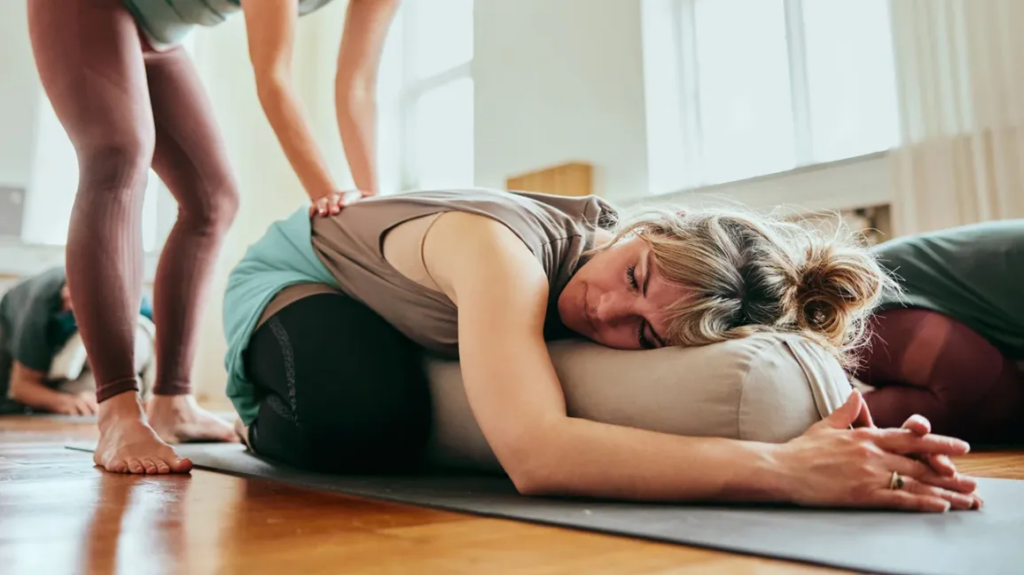
High stress physically affects your body by lowering your overall pain tolerance. Managing your anxiety can significantly reduce the severity of your cramps. Try incorporating relaxing activities into your routine, such as yoga, deep breathing exercises, or meditation.
5. Boost Your Vitamins and Minerals
Your diet plays a major role in how your body handles menstruation. Evidence suggests that Vitamin B1 (thiamin) and magnesium can help reduce period cramps. You can easily boost these nutrients by eating plenty of nuts, seeds, whole grains, lentils, spinach, and avocados.
When to See a Doctor
While cramps are a normal part of menstruation, severe pain is not something you should ignore. If your cramps disrupt your daily life or do not respond to at-home treatments, talk to your OB-GYN.
Intense period pain can signal a more serious underlying gynecologic condition, including:
- Endometriosis: Uterine tissue implants outside the uterus.
- Uterine Fibroids: Noncancerous growths develop in the uterus.
- Adenomyosis: Uterine tissue grows directly into the muscular wall.
- Pelvic Inflammatory Disease (PID): An infection affects your reproductive organs.
If you experience debilitating pain, schedule an evaluation with your doctor to protect your comfort and your long-term fertility.
Also Read : What are Irregular Periods ?